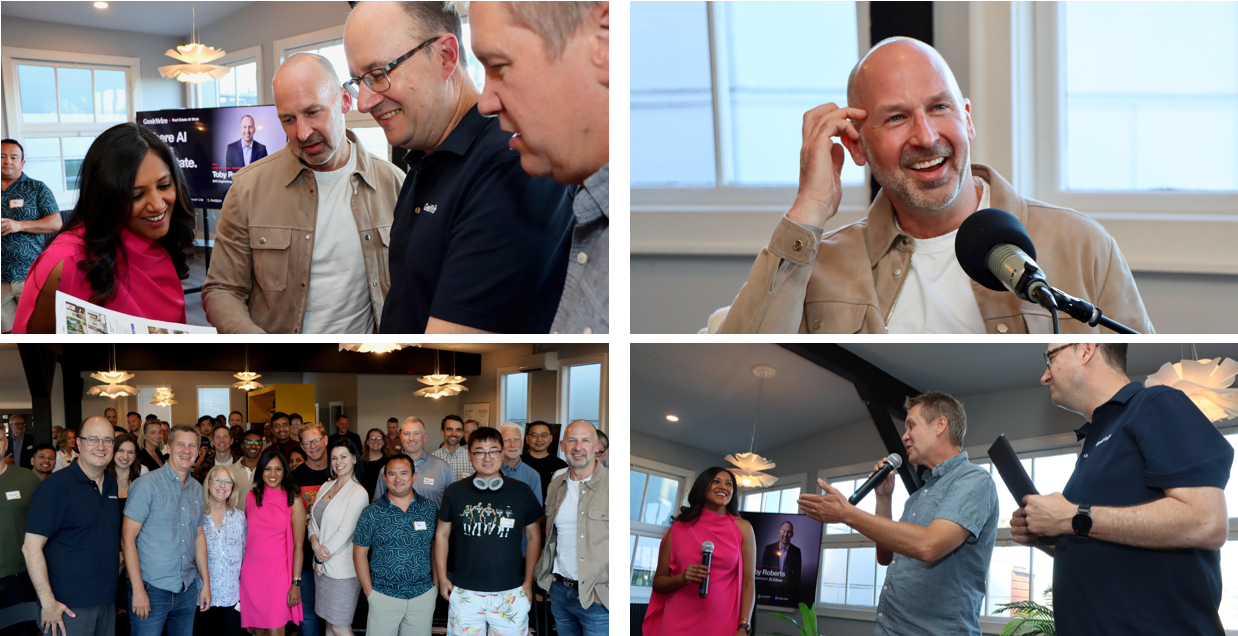
Zillow launched 20 years ago, and we’ve been covering the Seattle-based company since before it had a name. This week, we’re looking ahead to what’s next in real estate and technology.
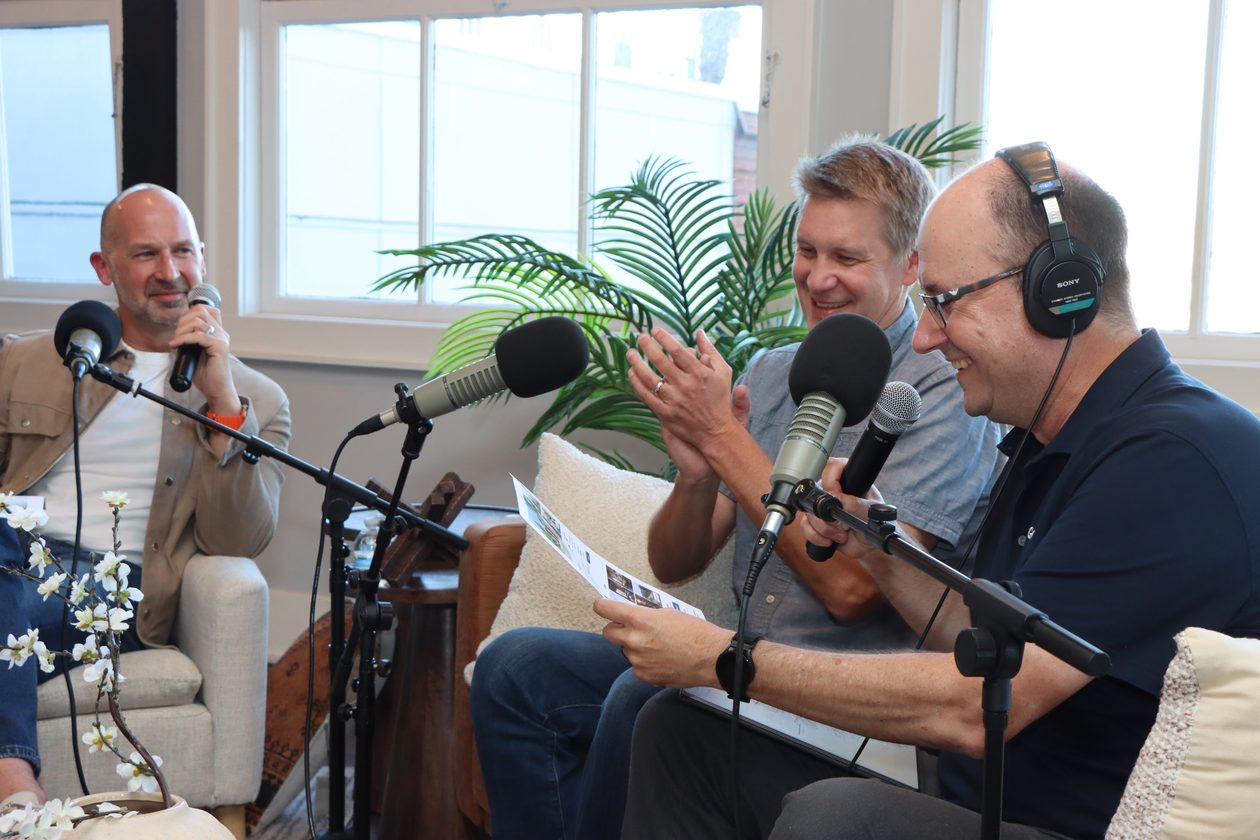
On this episode of the GeekWire Podcast, recorded live at Atmosphere Seattle overlooking Lake Union, Zillow Senior Vice President of Engineering Toby Roberts joins us to talk about what AI is doing to the business of buying and selling homes.
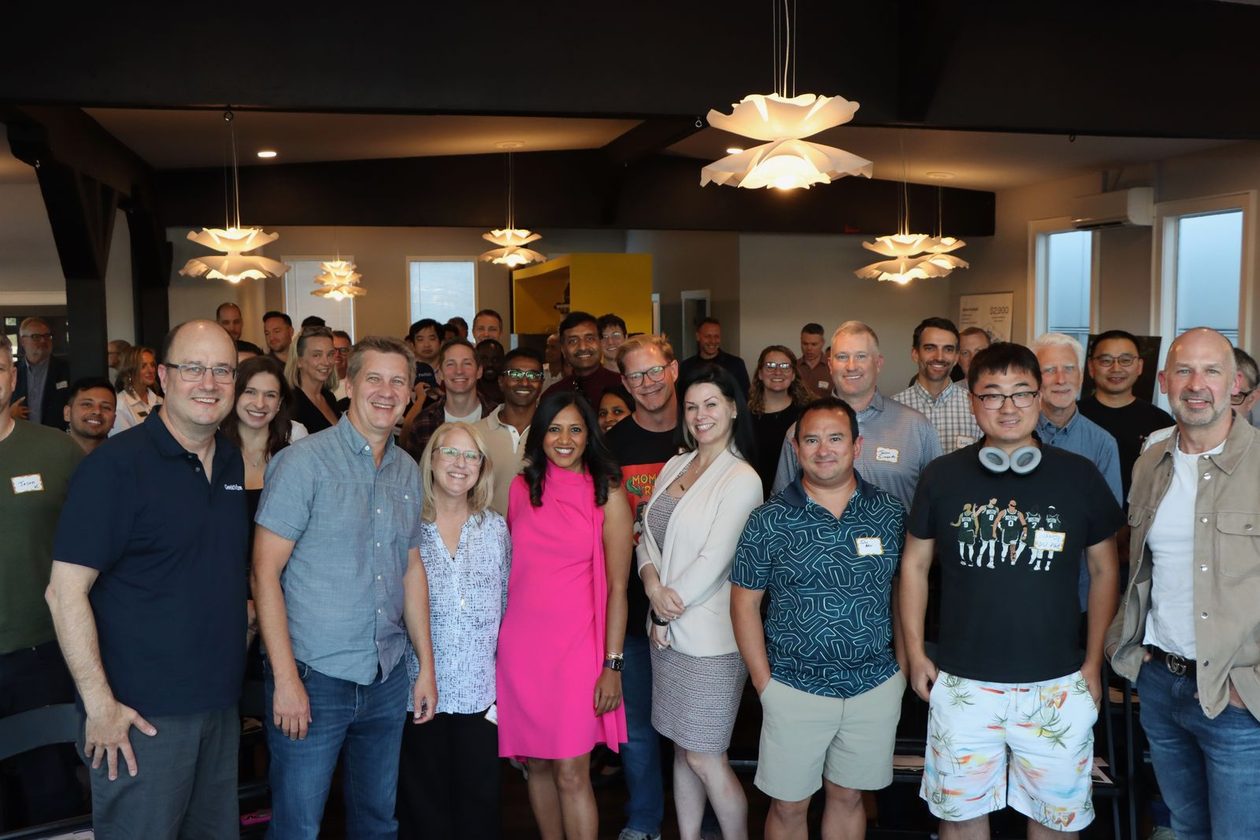
The show was recorded in partnership with Real Estate At Work, the networking group hosted by Leka Devatha, a broker with Real Residential and founder of the redevelopment firm Rehabit Homes, in front of a room of brokers, investors and technologists.
Listen here, or subscribe on Apple or Spotify, and keep reading for highlights.
AI agents and real estate agents: Roberts called AI “a complete watershed moment” that “has changed the full ecosystem” of buying and selling homes.
His position is that AI agents will work as a copilot for real estate agents rather than replace them. He cited what’s already happening inside Zillow’s CRM for agents, where the company has built conversation summaries and follow-up prompts, such as where the loan stands, whether the customer has submitted their documents, and what the next step should be.
But there’s still the human side of the business, with Roberts noting that 50% of people cry at some point during a home purchase. It’s the biggest transaction many people will ever take part in, with huge financial and personal stakes, and that’s the part of the job that still needs a person.
If the AI agents can do more of the grunt work for real estate agents, he said, “they can spend more time focused on that human connection that has to exist in this really scary transaction.”
Zillow and ChatGPT: The company was a launch partner in OpenAI’s app store, which John tried the day before the show. He clicked to request a tour inside ChatGPT for a home on Whidbey Island, and a human agent called him two minutes later with no idea that the lead came from a chatbot.
Asked about the integration, Roberts said it’s still early, but the people who show up that way are serious about buying. Zillow built its own map inside ChatGPT, pins and all, and those leads reach agents the same way they would from Zillow’s own app.
One big consideration was security and permissions. Zillow connects to ChatGPT through MCP, the Model Context Protocol, the standard that lets a chatbot plug into an outside service.
It was still new when Zillow started, and the sign-in and permissions pieces were “still very much in its infancy,” so Zillow had to build some of it itself. Because the company originates mortgages, it also has to follow fair housing and fair lending rules, which he called “an absolute must.”
AI inside Zillow: Roberts runs Zillow’s core technology initiatives, with a team of more than 650 engineers. He shared some of the numbers on AI-assisted coding inside Zillow: 97% of engineers are using the tools, and code is reaching production about 40% faster than in the past.
But even as engineers write more code, other engineers still have to review it. Roberts said that code review process is the next thing Zillow needs to speed up, “otherwise, we inundate our developers with just reading more and more code reviews, day after day.”
Roberts said Zillow hasn’t made the wholesale shift to small, self-contained teams that some have predicted. Instead it has placed AI champions across every part of the company, and set up internal groups where employees compare what worked and what didn’t.
It has also built a way for teams to share AI skills across the company. Roberts’ example was a financial calculation that comes up over and over. A team can build one skill and share it, so Zillow isn’t running “different, conflicting, and competing” versions of the same math.
Then it’s the GeekWire Trivia Challenge: We present four extraordinary Zillow listings for unusual buildings that were converted into homes. Three are real. One is an AI deepfake. Check out the handout here with the four listings, and see if you can tell the difference.
Audio editing and production by Curt Milton.