Microsoft offers buyouts to about 60,000 employees, Amazon CEO Andy Jassy predicts two trillion-dollar businesses, and we let Amazon’s Bee AI wearable listen to the show and critique our conversation. Read More
OpenAI generated $10 billion in revenue for Microsoft in the quarter ended Sept. 30, about 11% of Microsoft’s total, according to the company’s quarterly filing. That’s more than Microsoft made in the quarter from Xbox, search and advertising, or Windows PC licensing and Surface devices. Read More
Microsoft reports fiscal first-quarter results Wednesday, its first under a new structure that splits the company into two segments, two days after offering buyouts to about 60,000 employees. Analysts expect revenue of $90.75 billion, and Microsoft will start disclosing Azure revenue every quarter. Read More
Climate activists from the group Troublemakers interrupted the opening panel of Seattle AI Week several times on Monday, objecting to the push to build more data centers. Former Gov. Chris Gregoire, Gov. Bob Ferguson’s policy advisor and Seattle business leaders used the event to argue that Washington needs to do more to stay competitive in AI. Read More
Satellite communications company Kymeta added a former CIA deputy director to its C-suite; Alaska Airlines named its first chief information technology officer; and Microsoft saw three departure and the return of a former leader. Read More
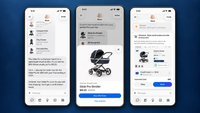
Bee, the AI wearables startup Amazon acquired last year, will turn products people mention in everyday conversations into shopping suggestions on Amazon.com for users who opt in and subscribe to Bee Pro. Amazon also unveiled two new Bee devices and a connection to its Alexa+ assistant. Read More
Microsoft’s stock has gained about $1.4 trillion in value since late June, lifting the company’s market value just above $4 trillion. The rebound accelerated after Microsoft reported 43% growth in Azure, its cloud platform. Read More
Oren Etzioni and MIT professor Max Tegmark debated AI risks in a New York Post video, splitting over whether this summer’s OpenAI sandbox breakout was rogue AI or human error. They agreed that corporate self-regulation won’t work and that AI systems should get only the access they need. Read More
The company formerly known as Grammarly is moving out of a coworking space into a South Lake Union office with 50 desks and room for 80. Its careers page lists 12 open positions that can be based in Seattle. Read More
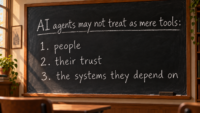
A philosopher argues that the debate over AI risk focuses too narrowly on whether AI systems share human goals, and not enough on the methods those systems are allowed to use to reach them. Drawing on the intrusion into Hugging Face by OpenAI’s agents, he makes the case that companies and policymakers should decide in advance what AI agents may not treat as a tool. Read More
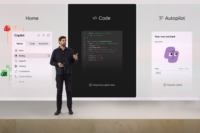
Microsoft’s revamped Copilot app adds AI coding, always-on agents and full versions of Word, Excel and PowerPoint as the company competes with OpenAI and Anthropic and shifts more of its AI pricing to usage-based billing. Read More
Amazon says it has cut off Meta’s new Muse personal AI agent from shopping on Amazon.com, citing data security and other concerns. It’s part of a larger industry fight over who controls the shopping experience and customer relationship in agentic commerce. Read More
This week on the GeekWire Podcast: Zillow’s Toby Roberts says AI agents will assist real estate agents rather than replace them, and explains how the company’s ChatGPT app works. Recorded live in Seattle this week in partnership with meetup group Real Estate At Work. Read More
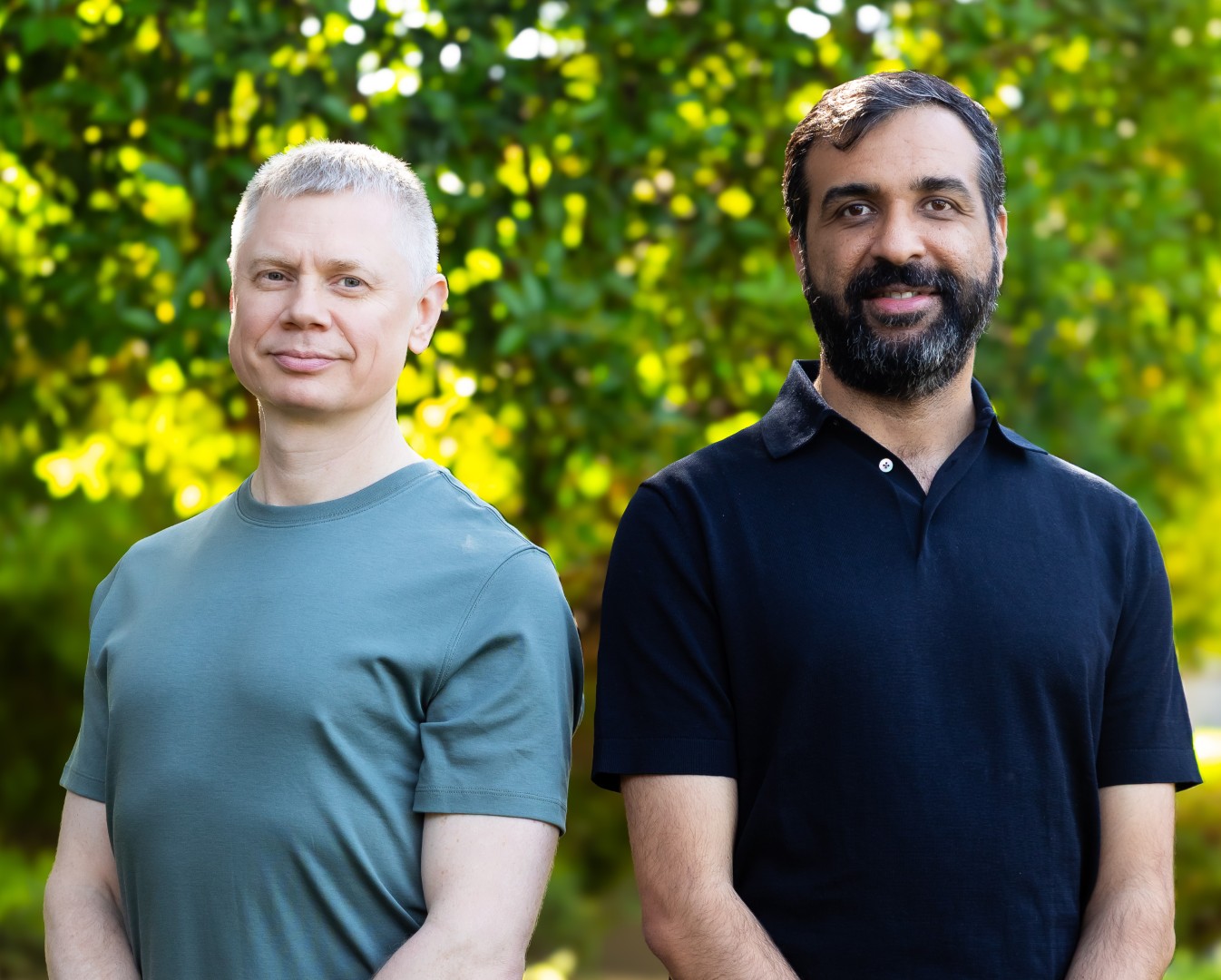
One of the hottest infrastructure companies in AI today traces its roots to work its founders were doing before the cloud was even a thing. Fresh off a big funding round, Temporal co-founders Samar Abbas and Maxim Fateev explain the decades of work behind their solution, and why AI agents make it even more relevant. Read More
The Gates Foundation is committing at least $1 billion over the next two years to AI tools for health workers, farmers and teachers. CEO Mark Suzman told GeekWire he expects the figure to grow, but said AI efficiencies cannot make up for the billions governments have cut from global health. Read More
Microsoft published a draft code of conduct for its in-house AI models, barring them from resisting shutdown or hiding their reasoning — as Anthropic, OpenAI and Elon Musk call for slowing AI development. Read More
It’s the end of an era at Microsoft: Frank X. Shaw, the executive who oversaw the tech giant’s communications for nearly three decades, first at an external agency and for the last 17 years as one of its senior leaders, is leaving at the end of the year. Read More
Microsoft was sued Friday by the parent company of its hometown daily newspaper, The Seattle Times Co., which joined with Newsday to accuse the Redmond tech giant and OpenAI of using their journalism to train their artificial intelligence models. Read More
Microsoft is shuffling leadership, naming Aneesh Raman chief economic opportunity officer and promoting Jenny Lay-Flurrie to CVP of the Trusted Technology Group. Zillow has a new policy lead while Oracle, Hiya and DAT Freight & Analytics see departures. Read More
Bill Gates warned this week that the AI industry is crossing safety lines it set for itself, and that no one is preparing for what comes next. On this episode of the GeekWire Podcast, we play highlights from our interview with Gates about the essay, and debate his three proposals. Read More
Ali Farhadi, who leads Microsoft’s Superintelligence team, talks with Mary Jo Foley about building the company’s own frontier AI models, tuning them for specific industries, and what he describes as a long-term mission of self-sufficiency. Read More
Bill Gates says the “turbulent AI era” has arrived, and the AI industry is crossing safety lines it once promised to respect. In a new essay and an interview with GeekWire, he lays out three ideas for managing what’s coming: new national and global institutions, a category of jobs reserved for humans, and a tax on AI and robots. Read More
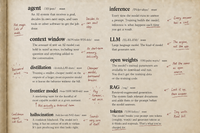
Everyone in tech says things like LLM, open weights, RAG and agent; far fewer could define precisely what they all mean. Oren Etzioni sorts out about 30 AI terms in plain English, with a blunt verdict on each and one novel phrase he believes isn’t used enough. Read More
A national campaign against AI expansion made its Seattle-area stop Friday at OpenAI’s Bellevue office, where demonstrators in hot pink “AI agent” vests entered the lobby with balloons and a chorus of “Happy Rogue Day to OpenAI.” The protest drew national attention. Read More
Oren Etzioni lays out 20 habits and settings that separate AI power users from everyone else, from letting AI interview you before it starts, to deciding once what it may never do on your behalf. Read More
Claude models launched on or after Aug. 2 embed an invisible mark in everything they write. It’s woven into the text itself, so it travels when you copy and paste. You didn’t opt in, you can’t see it, and you can’t turn it off. Here’s how it works, and what it means. Read More
Oren Etzioni writes that the AI break-ins disclosed over the past three weeks by OpenAI, Anthropic, Meta and the UK’s AI Security Institute were entirely predictable. He argues that better alignment won’t prevent the next one, and makes the case for bounding what an agent can touch instead. Read More
GeekWire’s Todd Bishop reports from Seattle Tech Week 2026, where more than 250 events made artificial intelligence the dominant topic. Insights and quotes from executives at OpenAI, Mistral AI, PitchBook, Madrona, Ascend and others. Read More
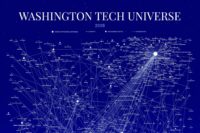
The Washington Technology Industry Association’s new “Tech Universe Map” charts the founder lineage of 625 companies, showing that Microsoft and the University of Washington account for the largest share. A WTIA executive says the hubs forming next are mostly out-of-state companies with engineering centers here. Read More
Don't miss a headline!
Sign up for GeekWire's newsletters today.
Thanks for subscribing!
Check your inbox to confirm your subscription.