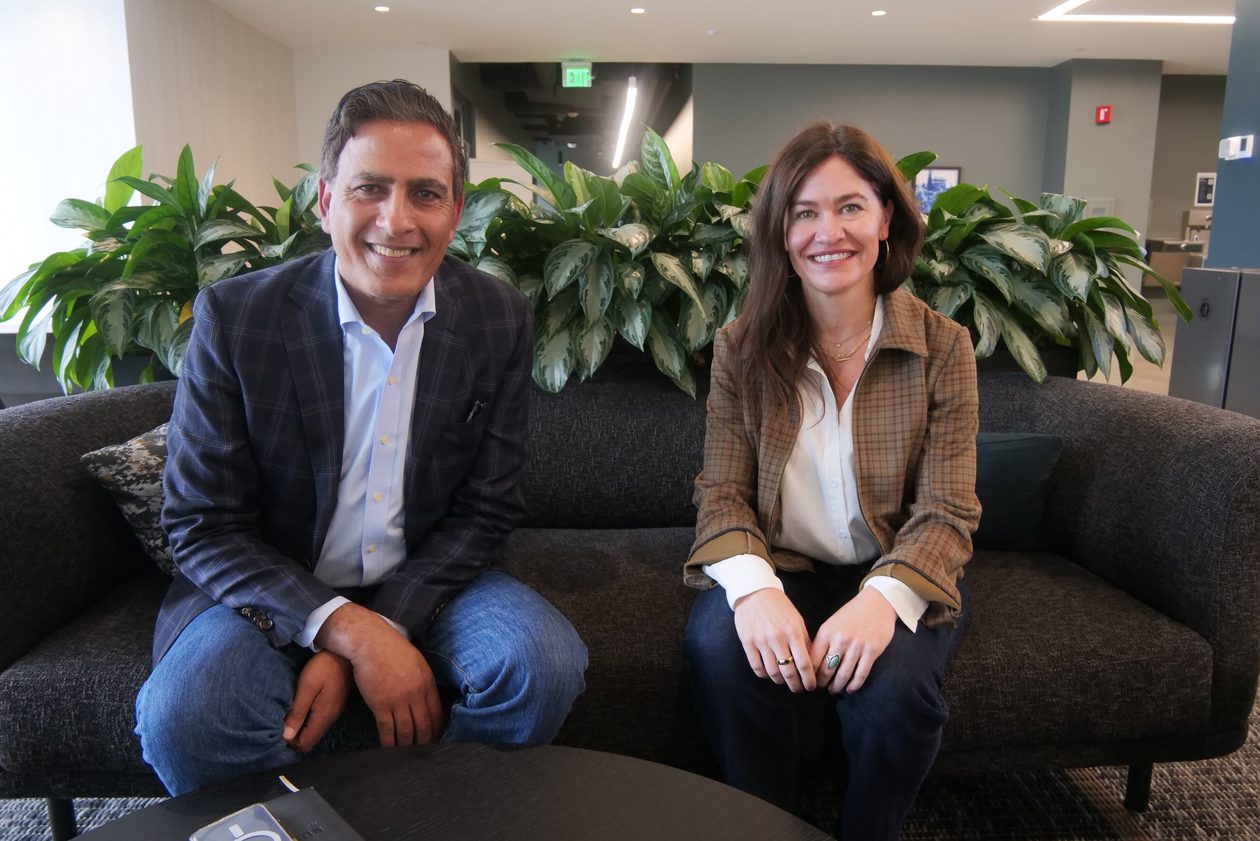
Ture Armas has been encouraging JPMorganChase engineers, from Seattle to India, to rethink their approach to the job as AI changes how software gets built.
Armas, the new leader of the bank’s Seattle Tech Center, said in an interview that engineers will need to work more closely with the business, model its problems and communicate clearly, rather than waiting for a business analyst to hand them fully written requirements.
“Things that we in the past referred to as soft skills, they are now the hard skills,” Armas said, explaining that it’s changing how the bank hires. “You do need to interview for that.”
Lori Beer, JPMorganChase’s global chief information officer, named Armas to the Seattle role in July. He succeeded Mamtha Banerjee, who left the bank in March. Armas also continues in his day job as CTO and head of Commercial Bank Lending Technology.
How the job is changing: In his view, the traditional handoff from a business analyst, with wireframes and acceptance tests spelled out, is giving way to spec-driven development, in which engineers write the specifications that AI coding tools work from.
That puts a premium on skills such as modeling the business domain and working directly with business teams, much like the forward-deployed engineers that have become common in the AI industry. “We are moving towards that,” he said.
He gave the same advice to his teams in India on a recent visit, telling them to get embedded in the business and “fall in love with the business problem.”
Most developers at the Seattle center use GitHub Copilot, Armas said, while Anthropic’s Claude Code is in use on smaller teams.
On the bank’s July 14 earnings call, CEO Jamie Dimon said JPMorganChase has almost 1,000 AI use cases, about 50 of them significant, in areas including risk, fraud, marketing and document reading. He said the bank has “had discrete areas where we did reduce jobs by 30% or 40%,” and that “most of those people were offered jobs elsewhere.”
“We are preparing to make sure we can retrain our people,” Dimon said, predicting the change will be faster and more dramatic than past waves of automation.
A bigger footprint: The Seattle Tech Center has more than 400 people and about 50 open positions, mostly in AI, cloud and cybersecurity, said Kristine Baker, a JPMorganChase vice president who manages the Seattle Tech Center.
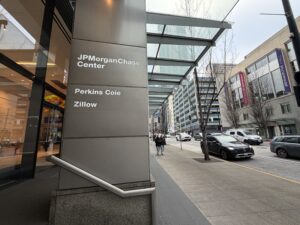
The team finished moving this summer into expanded space in the downtown Seattle skyscraper now called the JPMorganChase Center, formerly the Russell Investments Center. The bank occupies five floors in the building. Tech fills all of the 14th floor, the largest, with more technologists on two other floors.
The move brings the tech center back to where it started.
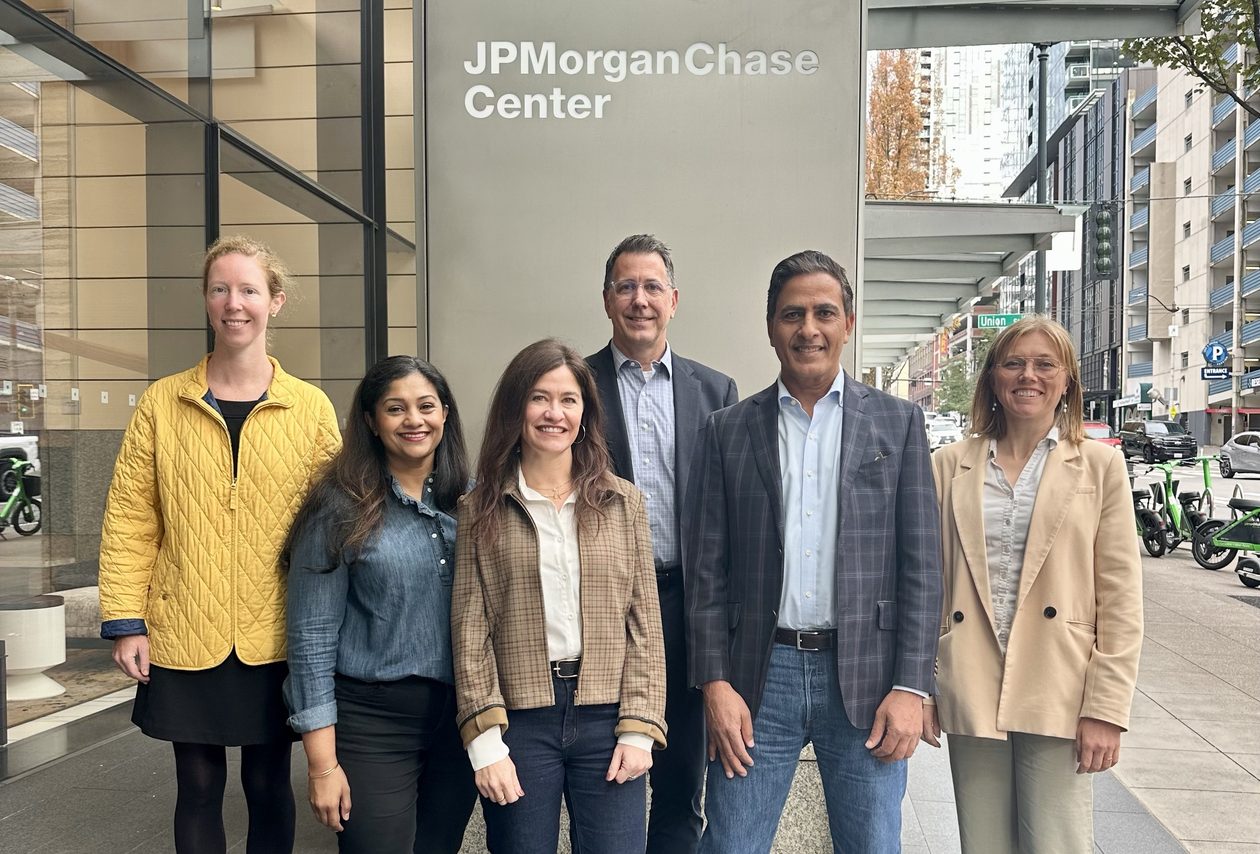
JPMorganChase opened the Seattle center in 2018 on a single floor of what was then the Russell Investments Center, led by Todd Hrycenko, a security executive who joined the bank from Salesforce. A year later, with about 100 people, it signed a lease at 1201 Third Ave., the former Washington Mutual Tower across the street.
The center grew to more than 320 people by 2023 under Rao Lakkakula, and to 380 by early 2025, when Banerjee took over after Lakkakula left for Microsoft.
Site leadership: Armas said he spends about 95% of his time on his lending technology job, and he credited Baker with running the tech center day to day. The lead role rotates among senior executives, and Baker has provided continuity through the changes in leadership.
“She shepherds each one of us along,” Armas said.
Baker joined JPMorganChase in 2023 from Amazon Web Services, where she led a program to build AWS teams at new U.S. locations, after 14 years at Western Washington University. She also works with the bank’s global program of about two dozen tech centers.
Armas, whose first name is pronounced too-RAY, grew up in British Columbia and studied computer science at the University of British Columbia. He worked in New York for about 18 years before moving to Seattle in 2016 to lead technology for the bank’s commercial real estate lending business, which has deep roots in Washington Mutual’s Seattle operations.
Seattle’s talent pool: Armas cited Seattle’s depth of talent in AI, cloud and cybersecurity engineering — noting, for example, that vets from Amazon and other local tech companies have moved into senior technology roles at the bank.
Beer, the bank’s CIO, said in a July interview that Seattle is one of the key hubs for a new AI software infrastructure team to help JPMC manage AI workloads across its own data centers and outside cloud providers, with the goals of controlling costs and avoiding lock-in to any one AI vendor.
The competition for engineers has eased since the hiring rush of the pandemic years. The bank is now getting “lots of responses to every position,” Armas said.
Asked about Seattle’s JumpStart payroll tax, which other business leaders have said discourages hiring in the city, Armas said there are no plans to change course from where the bank is now, in downtown Seattle.
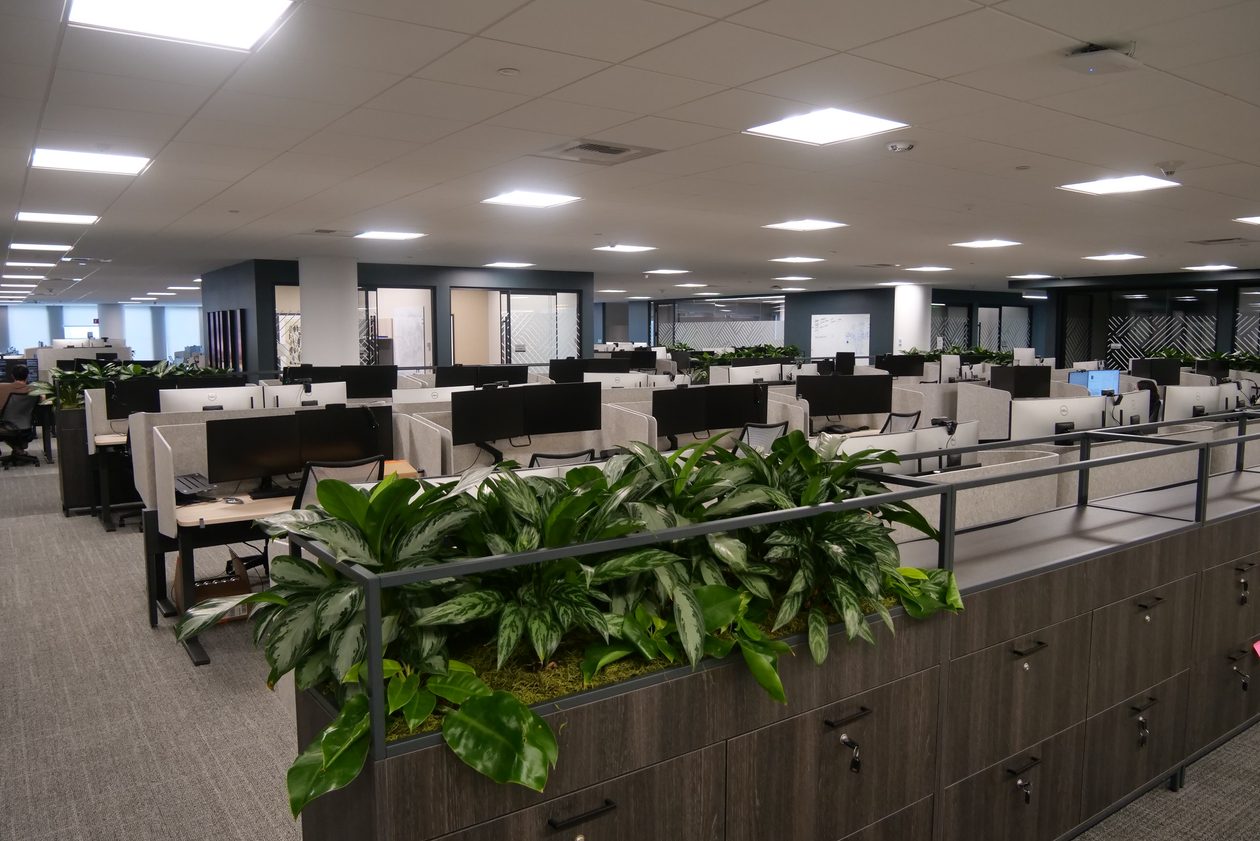
Inside the office: The new tech floor in the JPMorganChase Center has become a draw for the rest of the bank. Armas said bankers regularly come up to the 14th floor, and when he asked some of them why, they told him the breakout room is the best in the building.
Desks on the floor aren’t assigned. They’re grouped into “neighborhoods” by line of business, including one for the bank’s AI and data organization, with lockers for personal belongings. Small rooms with doors line the floor for private calls, white noise keeps the open areas quiet, and windows look out over the city. There’s a prayer room and a mother’s room.
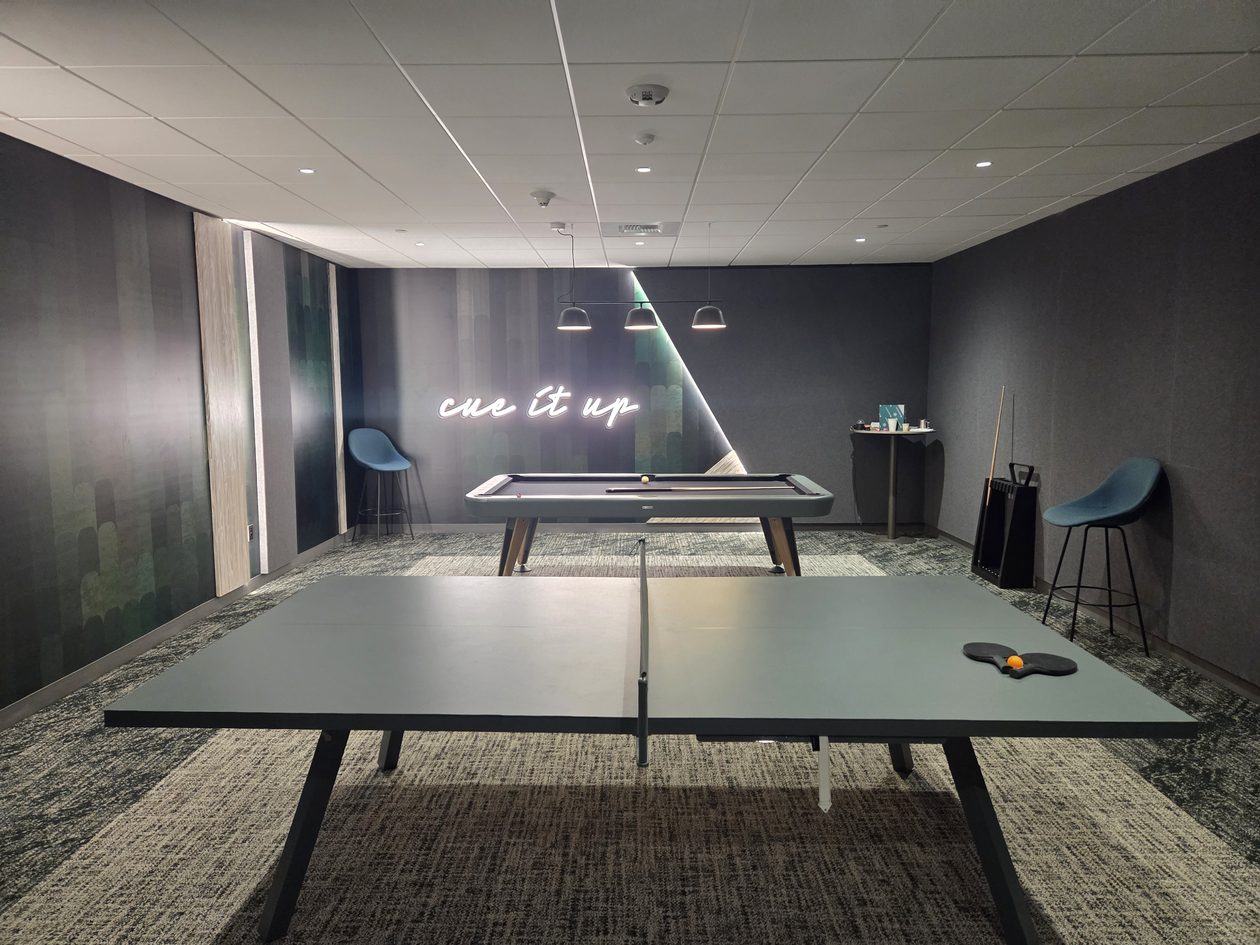
A game room with a ping-pong table sits behind an easy-to-miss door. Some employees have used it for DJ sessions, strobe lights included.
What’s next: The site lead role typically rotates every couple of years. Armas, who has been part of the conversations about a Seattle tech center since he arrived in 2016, said his goal over his tenure is to connect the center’s engineers with teams across the bank and the business problems the bank needs to solve.