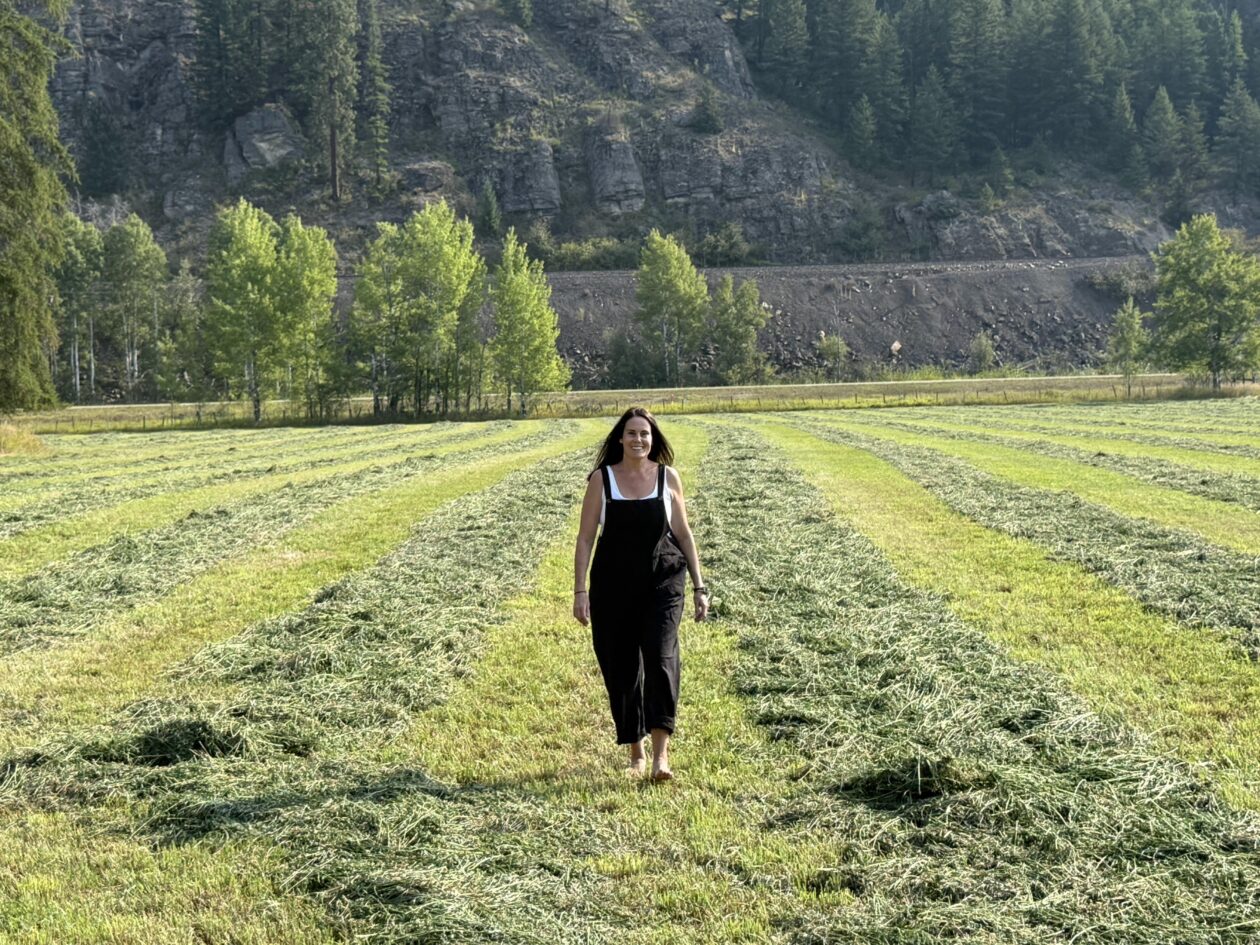
Genevieve Priebe took a business meeting this summer while bottle-feeding baby goats. A couple of years ago, she was advising executives at some of Seattle’s largest tech companies.
“Best decision I’ve ever made,” she said of her career change.
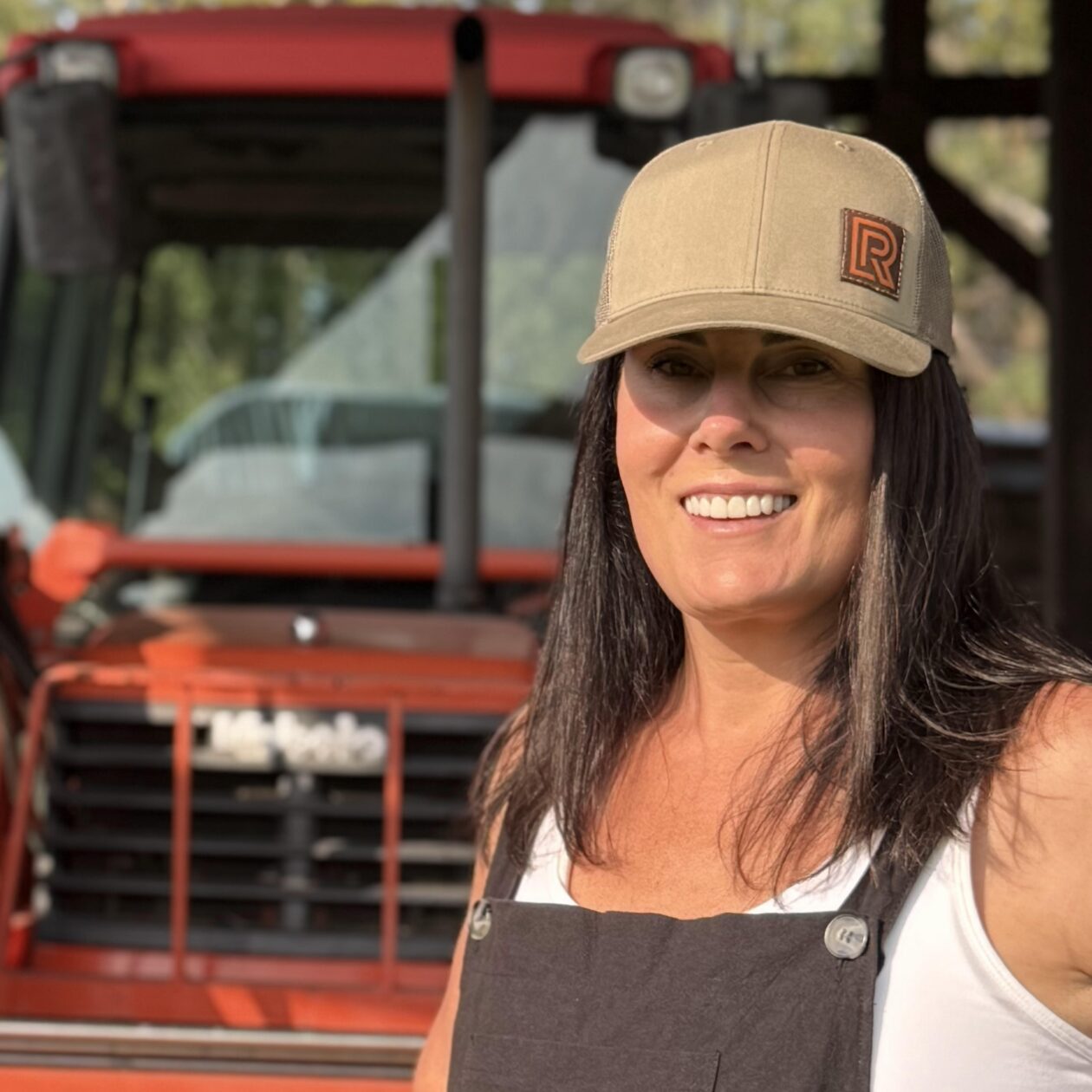
Priebe is the solo entrepreneur behind Reroot, a bootstrapped Seattle startup trying to make local food as easy to find and buy as anything else online.
The company operates a marketplace where independent farmers, ranchers, bakers and makers sell direct to customers, currently live with founding partners in the Pacific Northwest. In July it launched a free companion app, Reroot: Find Local Food, that maps more than 50,000 producers across the U.S. and parts of Canada.
She has also built a patent-pending tool called Walk & Talk, which lets a farmer update an online store by voice while walking the field, with or without a cell signal. When they’re back in range, it reconciles what they said against any sales that came in while they were offline.
A fourth-generation farm kid from Whitefish, Mont., Priebe grew up driving her dad’s tractor before she could reach the pedals and counting change at farmers markets for her mom, a flower farmer. She left for college and spent two decades in Seattle consulting, starting at Accenture and working for clients including Microsoft, T-Mobile, Starbucks and Boeing.
After her parents passed away, she and her brother took over the family farm. Priebe ran the numbers on what it takes to make a living growing food, and found it “close to impossible.” That’s a big part of what she’s now looking to solve as a startup founder.
“I didn’t want to be a founder,” she said, “but I couldn’t walk away from the problem.”
Continue reading for Priebe’s answers to our Startup Spotlight questionnaire.
In 50 words or less, give us your startup’s elevator pitch?
Local food is all around you, but finding it is hard. Buying it directly from the source is even harder. Reroot exists to fix that. We’re a discovery app and marketplace that connects independent producers to the people who love what they grow, raise and make.
What problem are you obsessed with solving?
Something that perhaps most people wouldn’t see as a problem. That is: why is it easier to buy a mango from Peru than a tomato from a farm 10 miles away?
What surprised you after talking to customers?
My biggest surprise was that most small farms pay to be farmers. They don’t make money, they lose money. Less than 50% of the 1.9M farms in the US are profitable. Average median farm income is over a thousand dollars in the red. It’s no surprise that 15,000 farms go out of business every year and unfortunately the story isn’t much better for other independent food producers. Growing our food is one of the most important jobs, yet it’s close to impossible to make a living doing it.
How has AI changed the way you build your company?
Dramatically. Two years ago, I’d have needed a 5-person development team, 18 months, and $1.5M to do what I’ve done solo in about four months. Traditional development cannot compare to the speed with which AI has enabled me to operate.
I do have a strong tech background, but haven’t written a single line of code and yet I’m live with a fully functioning marketplace that processes financial transactions, integrates with Square and Stripe, has sent over 100,000 marketing emails for our customers, manages inventory, fulfillment, and analytics. And, bonus — we just launched a free discovery app called Reroot: Find Local Food that maps 50,000+ local food producers in the US and parts of Canada.
What’s one thing people misunderstand about your startup?
In a world of AI-powered, niche, technology businesses, people seem surprised at how simple the idea is. They assume it already exists. It doesn’t. There is no single place to discover, follow, and buy from local producers. That gap is exactly why I built Reroot.
What’s the toughest decision you’ve made in the past year?
Every advisor and investor I’ve talked to has told me to find a technical co-founder, and even better if he’s younger and male. The decision to ignore that advice and bootstrap solo as a woman in my forties was simultaneously the hardest decision I’ve made and the easiest. I’m choosing a different path than raise-and-burn: heads-down building for real customers who need what I’m making. It’s working.
What’s the one piece of advice you give to other entrepreneurs?
Don’t overthink it. I spent decades in environments where every decision needed a PowerPoint deck and three rounds of approvals. The best thing I’ve done as a founder is just move: build it, ship it, learn, repeat.
We’ll know our company has made it when…
When the hardest part of farming is no longer the marketing. When farmers like my parents, grandparents, and great grandparents can actually afford to do the work that they love. And when I can conveniently replace most of my grocery store spend with local food purchased directly from my favorite producers.