Ring is moving from the doorbell to the deadbolt.
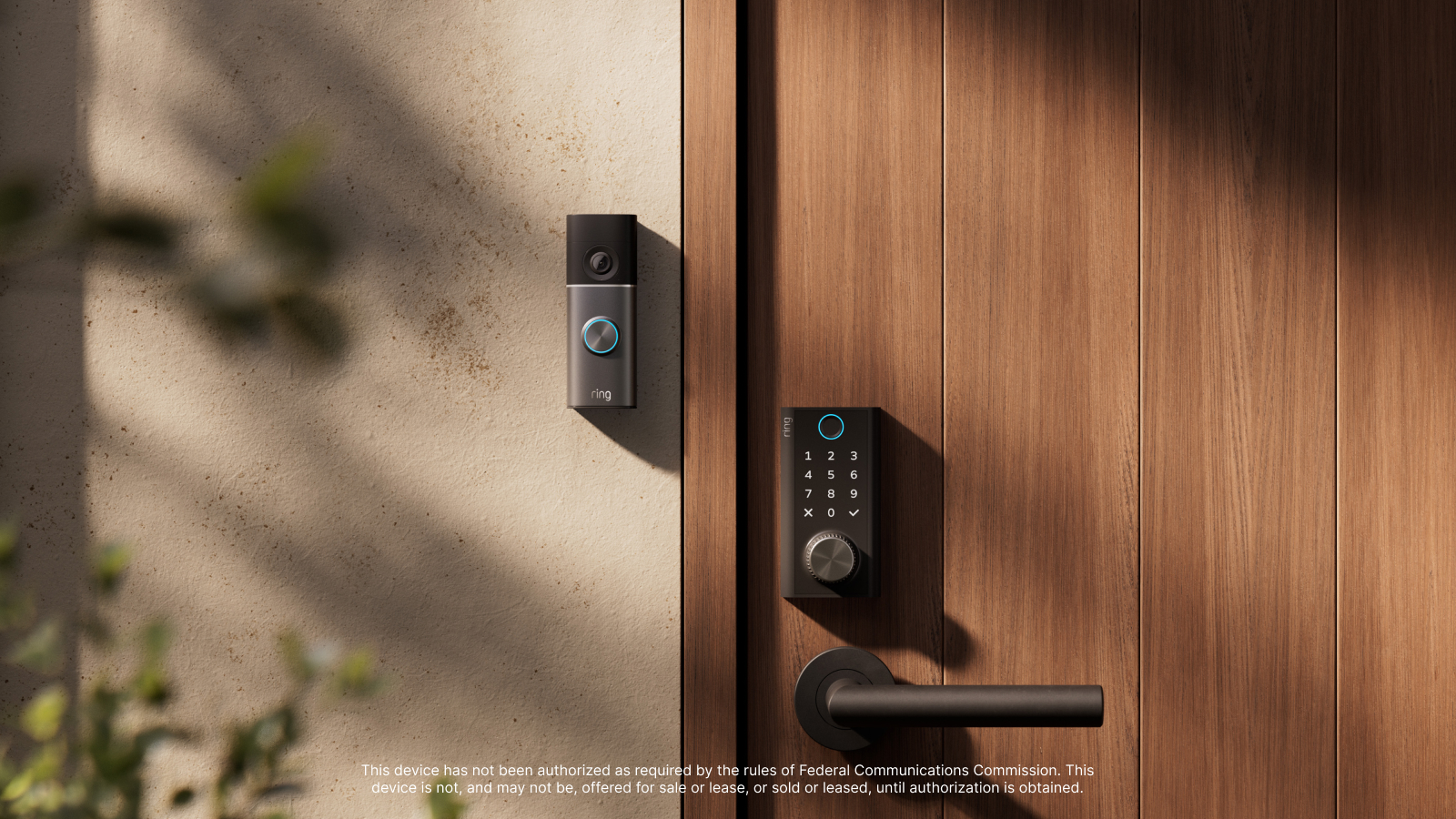
The Amazon-owned company on Wednesday announced its first smart lock, a $249 deadbolt with no keyhole and a dial that recharges a dead battery by hand.
Jamie Siminoff, Ring’s founder and chief inventor, said the dial solves the problem that has kept smart locks from catching on the way video doorbells have: when the battery dies, the owner can be locked out. That’s why many smart locks still come with a key.
“If you have to have a key, it’s like, well, why have a smart lock?” Siminoff said in an interview before the announcement.
Twisting the dial somewhere around five to 10 times (depending on how far and how fast it’s turned), generates enough power to turn the lock back on. The light turns green when it’s ready, and the owner can then get in with a fingerprint, the keypad or the Ring app.
Other smart locks offer backups such as terminals for a 9-volt battery or a USB-C port. Those don’t help someone standing at the door at 1 a.m. without a battery or a cable, Siminoff pointed out.
The Ring Smart Lock is due to ship in the first quarter of next year. It runs on a standard Ring battery pack that should last about a year, Siminoff said, and none of its features requires a subscription.
It connects through Amazon Sidewalk, a shared network powered by nearby Amazon devices, and works with Alexa for voice commands and connections to other smart home devices.
Why Ring waited: Siminoff’s first video doorbell, the Doorbot, went on sale in 2013 in a bundle with a smart lock from another company, he said. Ring has since integrated its products with other companies’ locks.
Ring could have put its name on a lock and sold plenty of them, Siminoff said, but he didn’t think the company belonged in the business until it had something different to offer.
The parts inside the new lock are mostly off the shelf, he said, including the components that generate power. The invention was putting them together, and Siminoff said he’s annoyed with himself for not doing it years ago.

“I literally can’t believe that I just didn’t look at this and just fix the damn thing,” he said.
Siminoff, who returned to lead Ring last year, said he worked out the idea on his own computer at night using Amazon’s AI tools, estimating the number of cranks, the cost and whether the parts would fit before handing it to Ring’s engineers. A few years ago, he said, answering those questions would have taken five to 10 engineers and six months.
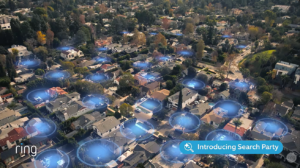
Privacy and the front door: The lock arrives after a difficult stretch for Ring on privacy. A Super Bowl ad in February for Search Party, a feature that uses AI to scan footage from neighbors’ outdoor cameras for lost dogs, drew a backlash from critics who asked what would stop the same technology from being used to find people.
Days later, Ring canceled a planned partnership with Flock Safety, the license-plate-recognition company, that would have let police using Flock’s platform request video from Ring users. Ring said at the time that the integration never launched and no customer videos were shared.
Asked what he would say to customers wary of giving Ring control of the door itself, Siminoff pointed to Throw Away the Key Encryption, or TAKE, which Ring started rolling out in September and says will become its default. Ring deletes its copies of the encryption keys, the digital codes needed to view customers’ videos, after using them, leaving the keys on customers’ own devices.
“You do not need to compromise on privacy in order to have security,” he said.
At launch, the lock and Ring’s cameras will work together in limited ways. The lock’s activity will show up in the Ring app alongside the company’s doorbells, cameras and alarms, and an owner who sees a visitor on a doorbell camera can unlock the door from the app.
The lock won’t open on its own when a Ring camera recognizes a face. Siminoff said deeper connections between the lock and the cameras haven’t been built, and Ring wants to take the time to get them right.
The lock has no camera of its own. “I think the lock should be a lock and should stay a lock,” he said.
He was also cautious about Amazon delivery drivers using the lock to leave packages inside. Garage delivery is a growing business for the company, he said, calling the garage “the airlock,” a semi-public space between the outside world and the fully private house.
“I still don’t see a world at scale where people are entering homes without the homeowner there,” he said. “It’s not a technology thing. It’s a human thing.”
Ring will expand to other types of locks and other countries if the deadbolt sells, Siminoff said, and tie the lock more closely to its doorbells. He said he’d take on other parts of the door, even the hinge, if he found a way to improve them.
“I never thought we’d do a lock,” he said. “I really didn’t.”
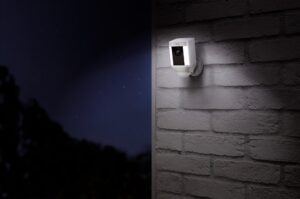
New cameras: Ring also announced five new cameras. Four add to its 4K lineup: the Outdoor Cam 4K Plus ($149.99), Spotlight Cam 4K Plus ($199.99), Floodlight Cam 4K Plus ($219.99) and Indoor Cam 4K ($99.99), the first indoor model in the line. The fifth, the $69.99 Pan-Tilt Indoor Cam 2K, rotates 360 degrees to follow motion.
The two indoor cameras go on sale Wednesday in the U.S., and the three outdoor models are available for preorder.