
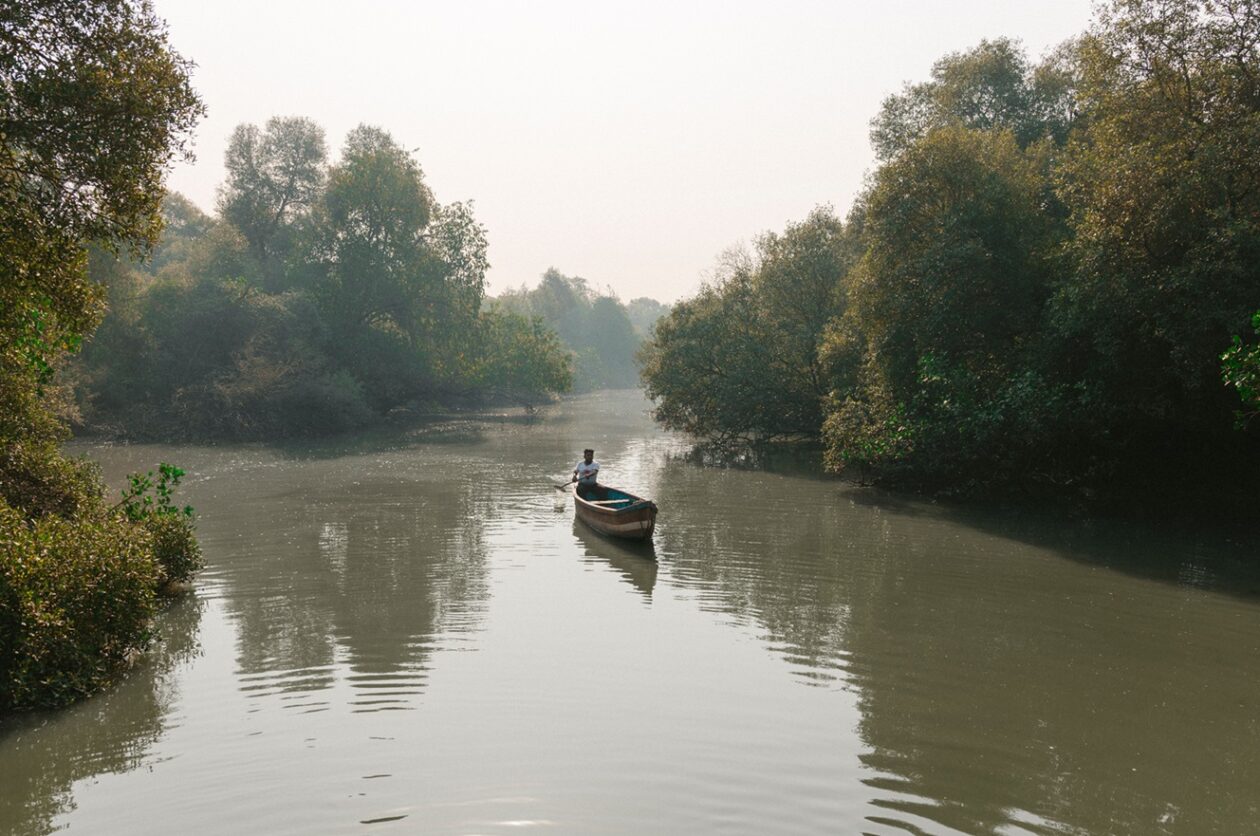
Introducing an all-in-one destination to dive deeper into Amazon’s progress on water stewardship. Amazon has created a new online experience to show how they’re working to be a good water steward everywhere we operate.
Water is vital to sustaining life, from growing food to maintaining health and cleanliness. It’s also essential in ways that aren’t always seen. Water is used to meet the energy needs of facilities around the world, and retailers rely on it while manufacturing goods and services. At the same time, water scarcity is an increasing problem on every continent. To help protect the most vulnerable, water-stressed regions and ensure ongoing access to clean water, organizations worldwide must make collective progress toward managing water in smarter ways.
For Amazon, harnessing their scale and innovation-focused approach is at the core of everything they do. That includes how they use finite resources, such as water. With the same mindset that drives efficiency across our fulfillment network, they think about ways to use water more efficiently across our business—while supporting the long-term water resiliency of the communities in which they operate. Amazon has public commitments to return more water to communities than they use in our data center operations globally by 2030, and in their direct operations in India by 2027.
On this new page, you’ll find videos, articles, methodologies, and more. Together, these resources explain why water matters to Amazon and what they’re doing to help protect it. You’ll also find more information about their tiered approach to water usage, which taps into the following three strategies:
Reduce
Amazon increases their water use efficiency and work to reduce local withdrawals by installing water-conserving measures in buildings. They also track water use in real time to help minimize water lost by leaks. Learn more
Reuse
For parts of their operations that don’t require water to be fresh or drinkable, they aim to use more sustainable sources such as reclaimed municipal wastewater. In Amazon’s data centers, they have the highest number of confirmed sites using reclaimed water when compared to 10 of the top data center companies at 24 sites—and they’re working to expand that to 130 locations by 2030. To do this, Amazon collaborates with municipalities to invest in improvements to infrastructure that enable this water use. Using reclaimed water in this way can help to minimize demands on freshwater supply, leaving more for community use. Learn more
Replenish
Amazon aims to have a positive impact on the communities they operate in. When they invest in water replenishment projects, they take a community-focused approach to understand specific challenges by region and help address them. This includes projects that increase water access, availability, and quality by helping to restore watersheds and bring clean water, sanitation, and hygiene services to areas facing water scarcity issues. Amazon has nearly 50 replenishment projects currently underway and counting.
Here are some examples of how Amazon adapts replenishment efforts to address the specific needs of different communities and their environments:
Supporting infrastructure in cities
With support from Amazon, Xylem—a global water solutions company—is helping to reduce, prevent, and fix underground leaks in parts of Mexico City, with plans to expand in the future.In less than one year, the city has saved 1.8 billion liters of water.
Improving irrigation of farmlands
Amazon is working with organizations in India, North America, and South America to improve irrigation practices on farms.
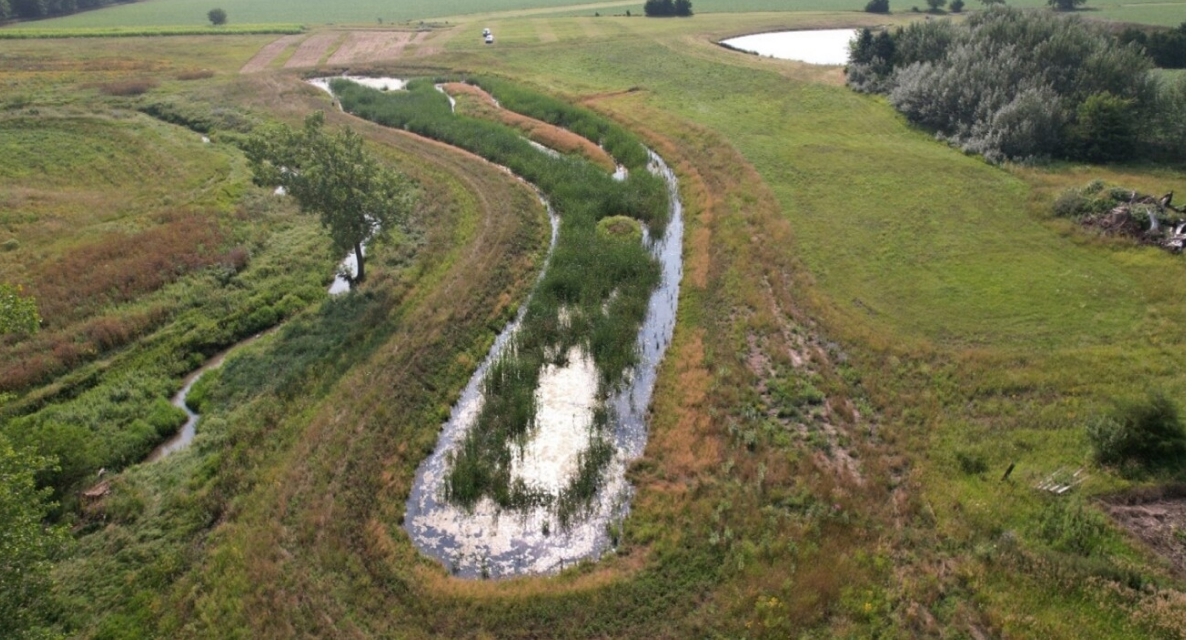
In 2025, Amazon announced two water projects in Indiana expected to conserve or improve the quality of at least 100 million gallons of water each year.
Restoring lakes in communities
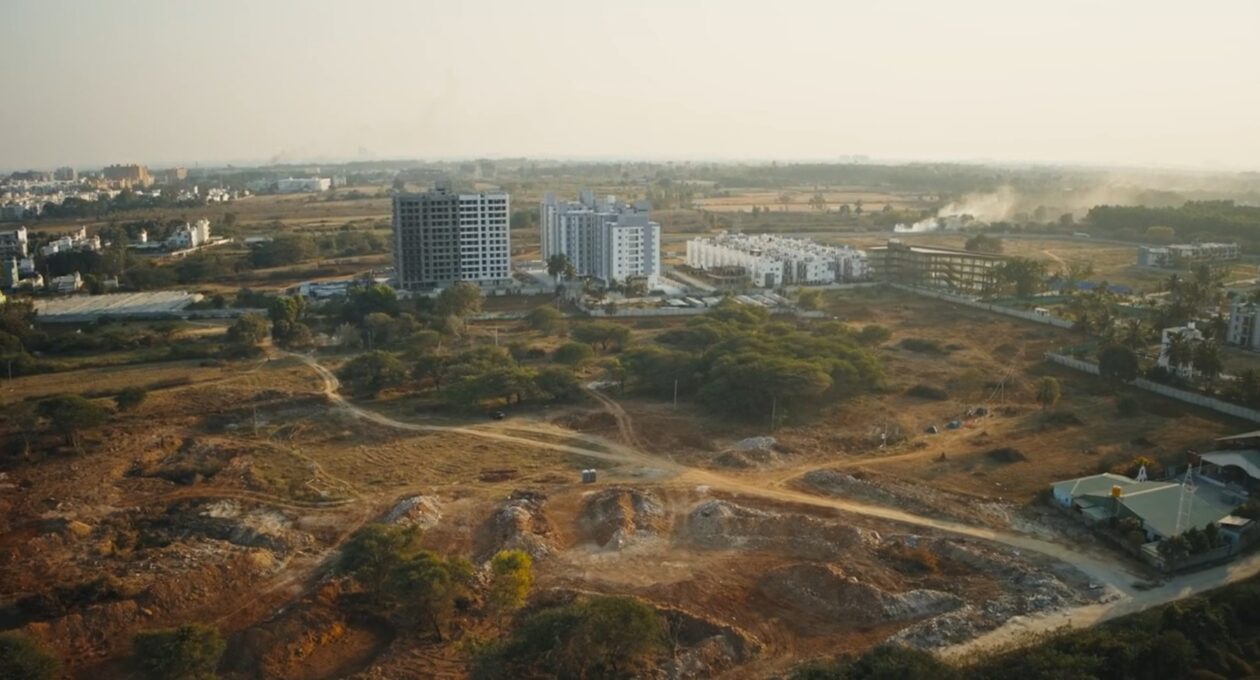
In India, Amazon is undertaking the restoration of Yamare Lake near Bengaluru and Sai Reddy Lake near Hyderabad, in collaboration with SayTrees. Together, these projects are expected to replenish over 570 million liters of water annually.
Together with SayTrees, the process of restoring Yamare and Sai Reddy Lakes involves desilting the lakes, restoring bund formations, and repairing inlet and outlet structures.
“Water” you waiting for? Dive into Amazon’s Spotlight on water page to explore all the ways we’re working to protect water resources.
Learn more about how Amazon calculates progress toward our commitment to be water positive by 2030.
Sign up for Amazon’s monthly newsletter to get Amazon sustainability updates sent directly to your inbox.
