

There’s a powerful and unexpected frontier where artificial intelligence is making a critical impact, and it’s not a place you might expect. While we’re familiar with AI’s use in everything from product recommendations to self-driving cars, it has an important, and often overlooked, role in correctional facilities.
In most industries, AI is viewed through the lens of efficiency and growth. However, bringing advanced technology into a sensitive environment, like prisons and jails, where safety and human ethics intersect sparks a different conversation. In correctional facilities, AI’s purpose is far more profound. It is a matter of safety, public trust, and social responsibility. For this reason, the conversation around AI in corrections must move to the forefront as a critical strategic imperative.
When applied responsibly, AI in corrections delivers three essential benefits: safer facilities, more efficient operations, and better rehabilitation outcomes.
Before AI, secure technology like purpose-built tablets was already transforming correctional facilities. These aren’t just gadgets; corrections staff tell us the secure, controlled devices help replace idle time with purpose. They provide individuals with educational content, vocational training, mental health resources, and connections they need to change their lives. This shift has led to more manageable and calmer facilities, benefiting staff and the incarcerated.
AI is the next great leap forward in creating scalable safety and rehabilitative impact. Consider how it has transformed other industries, from rapidly identifying cybersecurity threats to flagging real-time financial fraud. In corrections, AI applies these same principles to one of the most complex and sensitive environments in our society, bringing unprecedented levels of safety, efficiency, and rehabilitation.
AI-powered tools provide a new layer of support for officers on the ground, helping them create a safer environment for everyone. Predictive analytics, for instance, can analyze patterns in digital communication to identify potential conflicts before they escalate. This functions as an early-warning system to give officers the crucial time and context they need to de-escalate situations, enhancing their judgment with data and insights that can protect the incarcerated community.
In a field facing persistent staffing shortages, AI also addresses a crucial need for improved efficiency. Much like AI’s ability to systematize patient data entry in hospitals, where nurses are freed up for more personal care, AI can automate repetitive administrative tasks in prisons and jails. This shift allows correctional officers to repurpose time on office-based duties and get back to the front lines where their human skills are needed most. By dedicating more time to social and psychological support, officers can focus on safety and programming with incarcerated individuals, which directly improves morale and overall security within the facility.
Ultimately, AI is not a replacement for human judgment; it offers augmented intelligence across a field and profession, where the human element is and always will be the most critical component. Technology can process and distribute massive amounts of information faster than any person, alerting well-trained officers to potential threats. This allows them to apply their nuanced understanding, empathy, and discretion. When AI detects non-compliant communication or behaviors, officers can interpret unspoken dynamics, build trust, and make decisions that no digital tool can.
By approaching AI with both optimism and a commitment to responsible use, we can harness its strengths to augment the human judgment that ensures fairness and accountability. Responsible use means setting clear boundaries on how AI is applied, making sure it supports human decisions rather than replacing them, that data is used transparently, and that safeguards are in place to prevent bias or misuse.
This technology is a powerful enhancer, amplifying the capabilities of those trusted to keep our communities safe. The most secure path forward is one in which innovation and human insight work in tandem. It’s about leveraging the best of technology to empower the best of humanity, ultimately creating safer communities, reducing taxpayer costs, and building a stronger system for everyone.
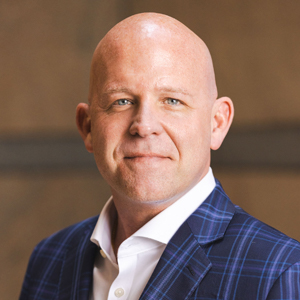 |
Kevin Elder is the President of Securus Technologies. With a strategic vision rooted in enterprise architecture, data platforms, and digital transformation, Kevin brings executive leadership and deep technical insight to the forefront of AI and information governance initiatives. |
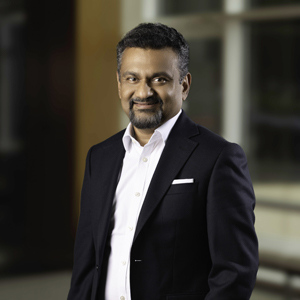 |
Ligit Mathew is the Chief Technology Officer for Securus Technologies. He brings strategic leadership and deep expertise in enterprise technology, data governance, and AI enablement, driving a vision for scalable, secure, and future-ready technology. |
