

Seattle is home to the full gamut of creative expression. Indie experimentalism thrives in the underbellies of Pioneer Square and Capitol Hill. Big-label productions curate their next blockbuster hit at Harbor Island Studios. This convergence of talented artists gives Seattle its unicorn-like creative scene with an economy that’s worth the spotlight.
Peek behind the inner workings of Seattle’s creative economy and you won’t find Hollywood–esque commercialism. Instead, you’ll be met with an authenticity that is grassroots and heartfelt. DIY stages and zines defined the grunge movement. Small theaters and galleries dot most Seattle neighborhoods, making for natural third spaces where community members connect and enjoy the arts. And festivals like Bumbershoot and Seattle International Film Festival operate heavily on a volunteer basis, ringing true to the city’s identity as a community-driven entertainment industry. But it’s not just volunteers that are powering the Emerald City’s thriving creative economy. More than 52,000 professionals are employed in video games, film and publishing, music and fine arts, and architecture. Seattle’s creative workforce drives 18% of the city’s GDP. That’s four times the national average. And the engine is predicted to keep gaining momentum. Seattle’s creative economy is projected to grow 10% by 2028.
Kate Becker is one person who’s driving the vision behind sustainable creative communities and cross-industry growth. Her role as King County’s Creative Economy Director means she leads the development of public policy as it relates to the region’s creative scene. Kate and her King County team are supported by the Executive’s Film Advisory Board, a group of 15 film industry professionals advising on film initiative development, including Harbor Island Studios.
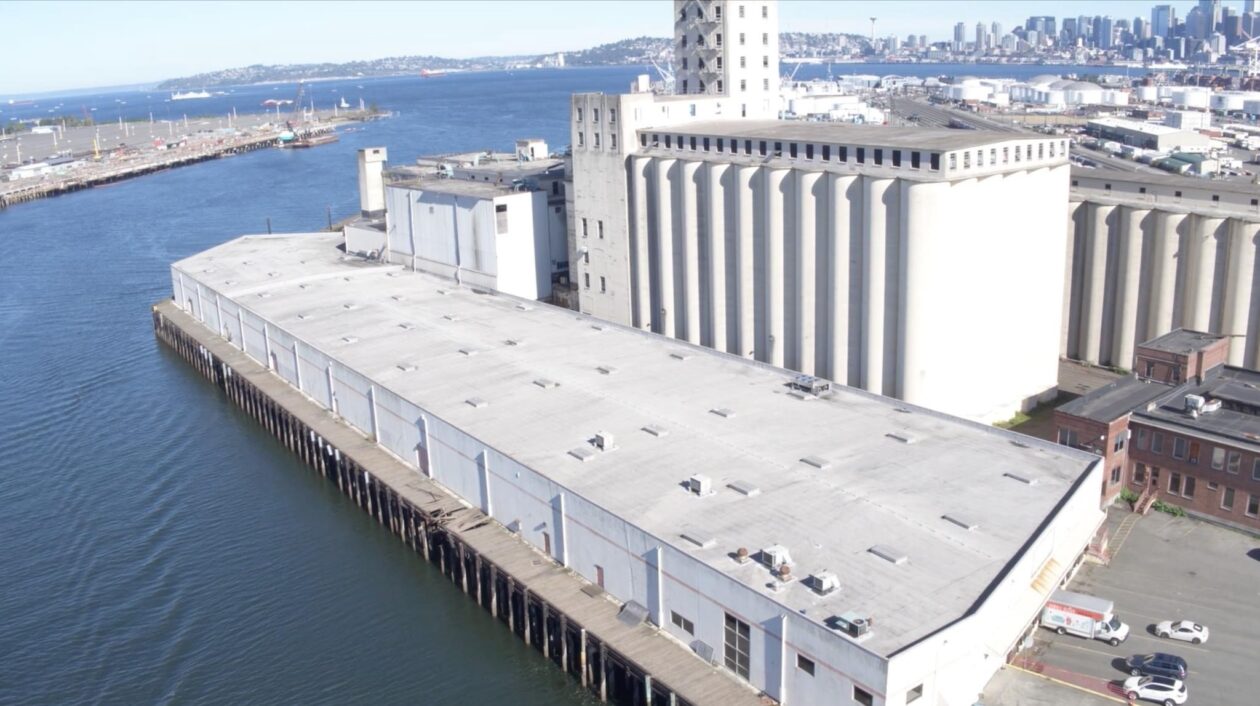
When Harbor Island Studios opened to film production crews, Kate knew the 117,000 sq. ft. facility was well-positioned to attract both state and national productions. Paramount Pictures, HBO, and Netflix have all leveraged the newly renovated space. And while Harbor Island Studios is well-positioned to sustain this national scale, Kate’s focus is on local job creation and talent retention.

“We’ve really been targeting our locals to make sure that they have as much access and opportunity in the studio before big productions come in and block out the ability for our locals to be in there,” she said. Kate is also focused on developing sustainable film career ladders for Washingtonians, which is reinforced by the studio’s sliding scale model. “What we really look for are local cast and crew hires, a diverse cast and crew, or an equity plan.” Kate said. “Green filmmaking practices and next gen opportunities” are all factors in how studio pricing is determined.
“We also partner with industry professionals and nonprofits to offer free classes like the Film Community Training Program, a hands-on experiential learning session held once a month. We have the 48 Hour Film Project, Seattle Composers Alliance, the Northwest Screenwriters Guild, a number of different opportunities for folks to convene and engage in learning and connection with the industry.” Kate said. Deepening the film industry support network is part of Kate’s plan to bring local talent home. “We have a strong film education network here, but a lot of folks come out of a film program and decide they want to go to Los Angeles, Atlanta, or New York. And we want to keep that talent right here in King County.” As for the future of Seattle’s creative economy, Kate sees ample opportunity on the horizon. “If we’re all pulling together in the same direction, we’re going to have more impact. Collective effort, working across different jurisdictions, different organizations, different businesses to achieve common goals, that’s where our biggest opportunity is.”
Washington Filmworks is part of this movement founded on the idea that a rising tide lifts all boats. They host the Production Incentive Program, a statewide initiative to enhance the local film industry’s competitiveness. And they did not come to play small ball, in 2022, the program funding increased from an annual $3.5 million to $15 million. Washington Filmworks supports creators even further with their B&O tax credit advantage, which allows businesses with a B&O tax liability to contribute cash to the Program funds. In return, these businesses receive a dollar-for-dollar credit on their B&O tax liability. Cash contributions funnel directly into a resource pool supporting homegrown film, television, and commercial productions.
Seattle’s Office of Economic Development also nurtures the arts through their Creative Economy Program. The Program connects creative businesses and individuals with resources they need to thrive from film production office space to skill learning labs to professional development. The effort is made possible via a blend of partnerships with public and private stakeholders. The Seattle Film Commission is an advocacy group partnering with the Office of Economic Development to ensure policies are inclusive and equitable, especially for historically underrepresented people. The Commission works to ensure people are connected with livable wage jobs in the film industry.
And adults aren’t the only ones the city has carved out support for. Community-driven efforts, like Seattle Children’s Theater, run the Emerging Professionals Program, a decades-long initiative to develop the next generation of professionals. They offer a blend of hands-on tasks, assignments, and networking opportunities to anchor young artists’ dreams in reality. TeenTix is another initiative aimed at centering ambitious youth on an accelerated path toward a life in the arts. Last year, TeenTix and the Seattle Office of Economic Development teamed up to form a powerhouse task force charged with exploring how youth programming can be better resourced and built for the long run.
Today’s young minds are tomorrow’s stewards of the iconic productions and venues that have shaped Seattle’s culture and even influenced the national art scene. From grunge meccas like the Crocodile to Broadway-style theaters like the Paramount, history is embedded in the walls of Seattle’s art institutions. Sub Pop and KEXP, the music giants delivering tasteful sounds all over the globe, are still rooted in their humble Emerald City beginnings. It’s hard to walk a Seattle city block without stumbling on a landmark of artistic history. In a metropolitan area bursting at the seams with creative talent, it’s no wonder the cultural identity is infused with song, music, dance, and countless other forms of human expression.
Game development is a cornerstone of greater Seattle’s creative economy: industry heavyweights including Xbox Game Studios, Valve Corporation, U.S. Nintendo, Riot Games, and Bungie all call the area home. Indie studios like Harebrained Schemes also set up shop in the Seattle scene, perpetuating the city’s proud DIY culture. The University of Washington, Seattle University Cornish College of the Arts, and DigiPen Institute of Technology are all local incubation hubs training the next generation of game designers and developers. Their specialized degree and certification programs breed the best and the brightest who go on to enjoy Seattle’s playground of gaming culture and prosperity.
The music, film, game development, and arts communities don’t exist in silos. Seattle’s venues and production facilities often serve multiple industries, making their walls shared spaces where cross-industry innovation hums along like a well-oiled machine. Beyond the infrastructure, Seattle’s thriving tech scene offers new ways for people to enjoy creative endeavors. Cloud computing revolutionizes music streaming. VR consoles transform live performances. These advancements are made possible by Seattle’s arts and tech sectors blending of resources, knowledge, and talent. It’s what puts Seattle on the map as an artistic ecosystem.
Other map-worthy creative economies, like Los Angeles, Vancouver, and Portland each have their own flavor of artistic legacy. Los Angeles is Hollywood ground zero. Portland’s indie ethos is where the weird are welcome. And Vancouver B.C. is “Hollywood North”, a production powerhouse. Though these cities are titillating in their own right, what sets Seattle apart is that it sits at the crossroads of what all its sister cities embody. Technology, artistry, and community-driven work are Seattle’s heartbeat. The ongoing work of Washington Filmworks and the opening of Harbor Island Studios means Seattle is regaining momentum toward being a national film production destination. Seattle is growing into its creative-tech hybrid britches in a way that promises bigger, better, and bolder innovation is on the horizon.
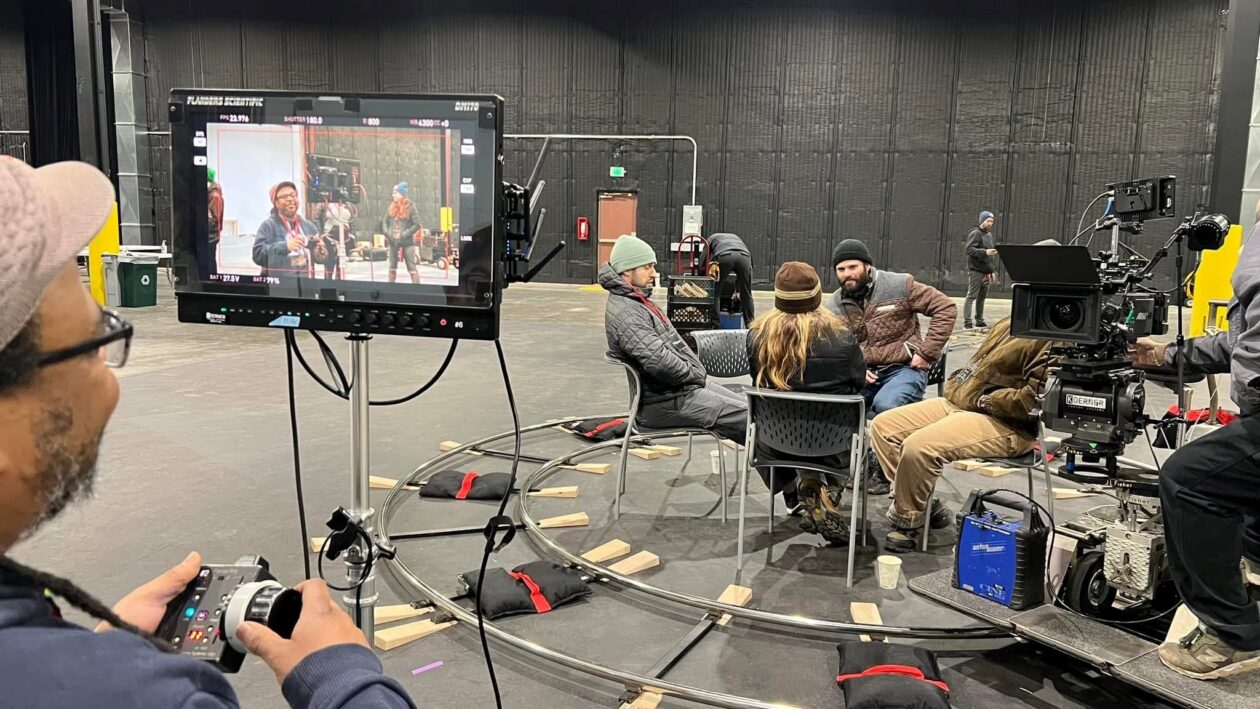
The path forward honors the same blueprint that got Seattle where it is today: investing in homegrown talent and providing the infrastructure for community-driven talent to thrive. Local initiatives and ongoing financial investments ensure there is and will continue to be something for all creative humans in King County.
Come get a taste for all Seattle has to offer at the fourth annual Cloudbreak Music Festival, happening this November 6th through 26th. This citywide music extravaganza is made possible by King County Creative Economy Office in partnership with Visit Seattle. This year’s show features a lineup of 400 national and international artists with more than 20 participating venues. Learn more and purchase tickets by visiting cloudbreakmusicfest.org.
