
In an uncertain job market, building technical expertise can open new career paths.
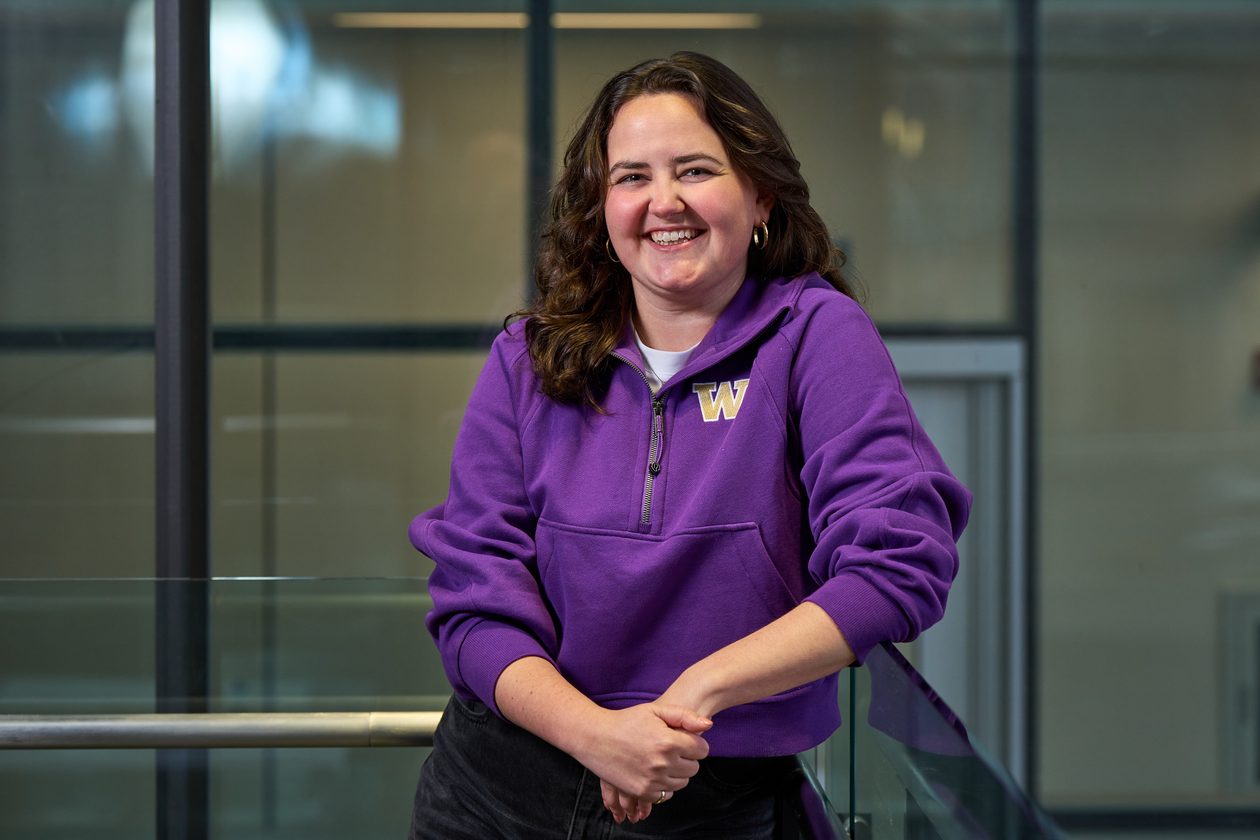
Annabelle Brown was working in marketing when she became increasingly interested in AI and emerging technologies. She chose the University of Washington Foster School of Business Master of Science in Information Systems (MSIS) program to build the expertise to move into more technical work.
After earning her MSIS, Brown made the pivot. Today, she works in an AI-focused role at a startup on Seattle’s Eastside, applying machine learning and generative AI to engineering and business problems.
A move into more technical work doesn’t necessarily mean starting over. For people who already understand an industry, customer, or business function, adding technical expertise can qualify them for jobs that draw on both.
So, what should you focus on if you’re considering a similar move?
Learn how to build with AI
As AI tools become easier to access, the harder questions are often what to build, which technology is suitable for the problem, how different tools should work together, and whether the result is even useful or actionable.
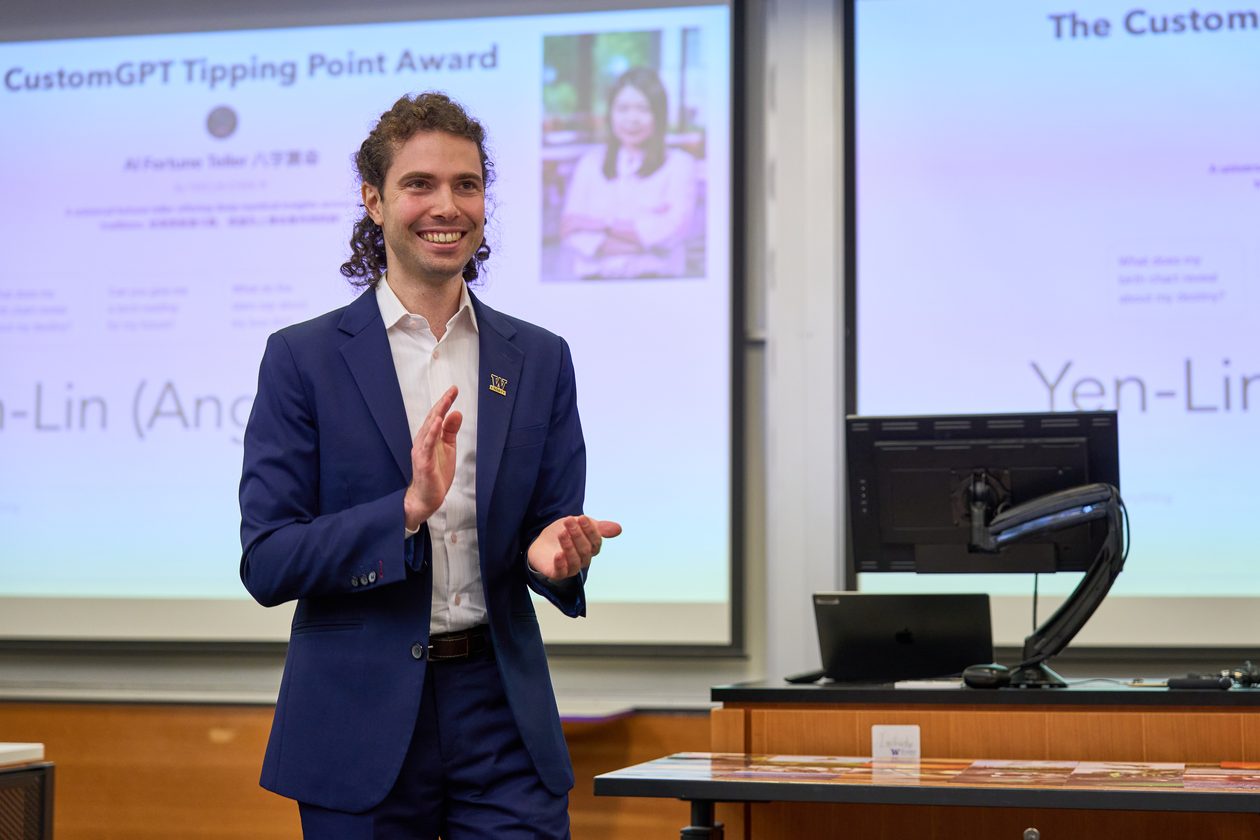
At Foster, Assistant Professor Léonard Boussioux helps students learn to build with AI, not just use it. His students identify real problems, decide where AI can make a difference, and build working solutions.
At a recent AI Expo Day, Boussioux’s students demonstrated their AI-powered apps, intelligent agents, and automated systems, including a market intelligence system for an automotive supplier and a voice-guided navigation app for people with visual impairments.
Ultimately, Boussioux wants MSIS students to leave his class with the confidence to tackle problems on their own at work.
“When you encounter a problem, you don’t have to wait for someone else to solve it,” he says. “You have the power to create change and solve it yourselves.”
Build on the expertise you already have
A pivot into more technical work doesn’t have to erase what came before it. Experience in areas such as communications, operations, finance, or other business functions can be an asset in roles that require an understanding of both technology and the people and organizations using it.
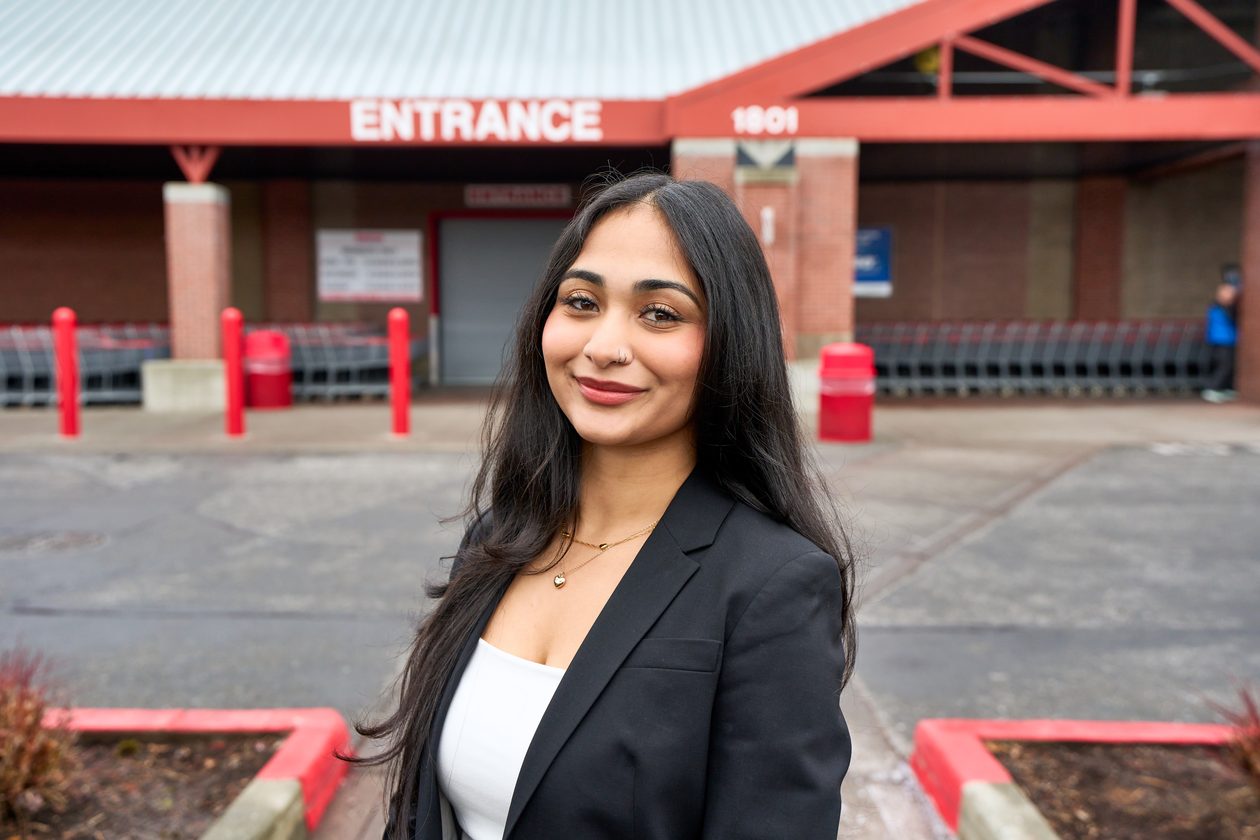
Isha Patel came to MSIS with a communications background and an interest in the intersection of technology and business. While earning her MSIS, she landed an internship with Costco IT and converted it into a full-time role after graduation. Today, she is a Technical Project Manager.
“I saw this program as an opportunity to build a strong technical foundation while also learning the business foundation necessary to be successful in a data-driven world,” she says.
Build skills that open more doors
If you’re making a technical pivot, you may not know exactly where it will lead. Building a foundation across several areas can expose you to different career paths and make it easier to adapt as jobs and technologies change.
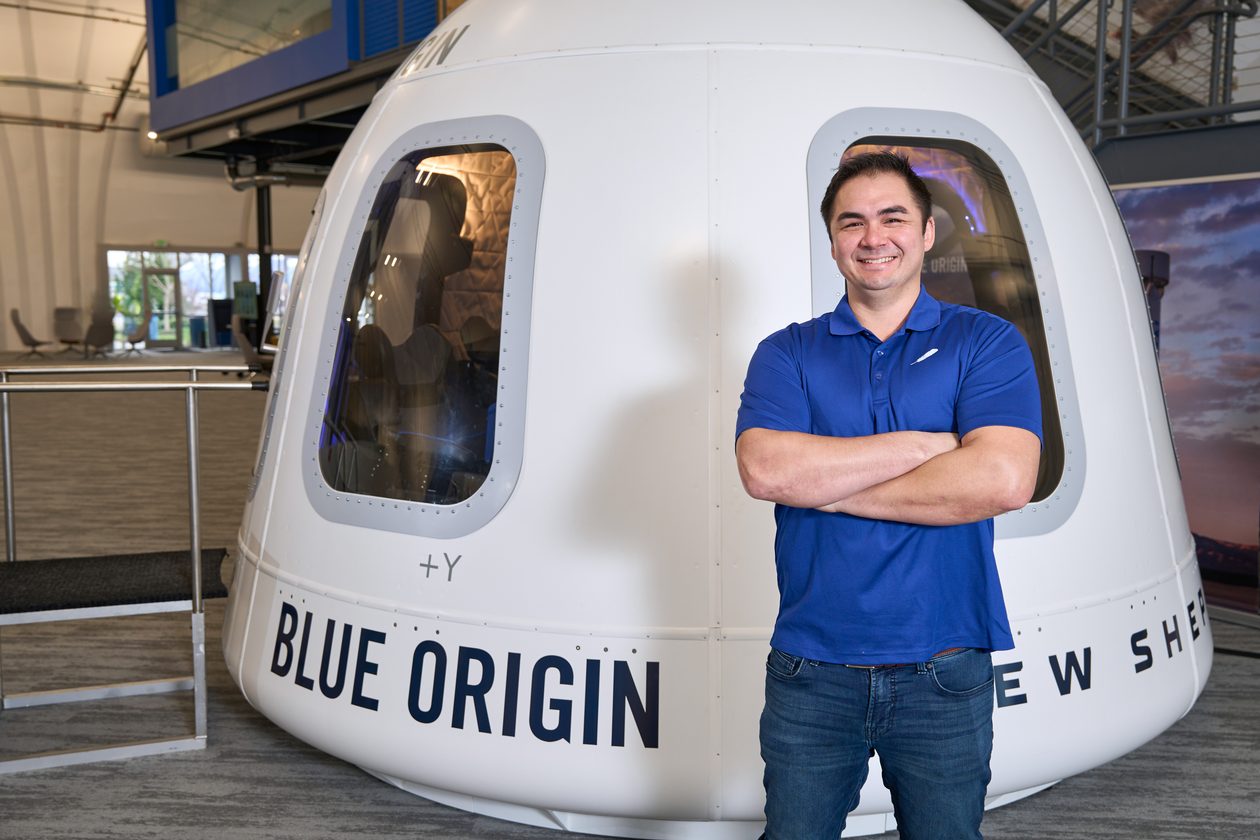
Reed Denny took that broad foundation into cloud engineering. The Foster MSIS alum is now a Site Reliability Engineer – Cloud III at Blue Origin, where working across a wide range of technologies is part of the job.
During the one-year MSIS program, Denny built experience across AI and machine learning, data analytics, cloud computing, cybersecurity, and programming, while learning how these technologies connect to business problems.
Denny says that breadth has been particularly useful in cloud engineering, where his team may work with hundreds of different tools and technologies.
Be strategic about relationships
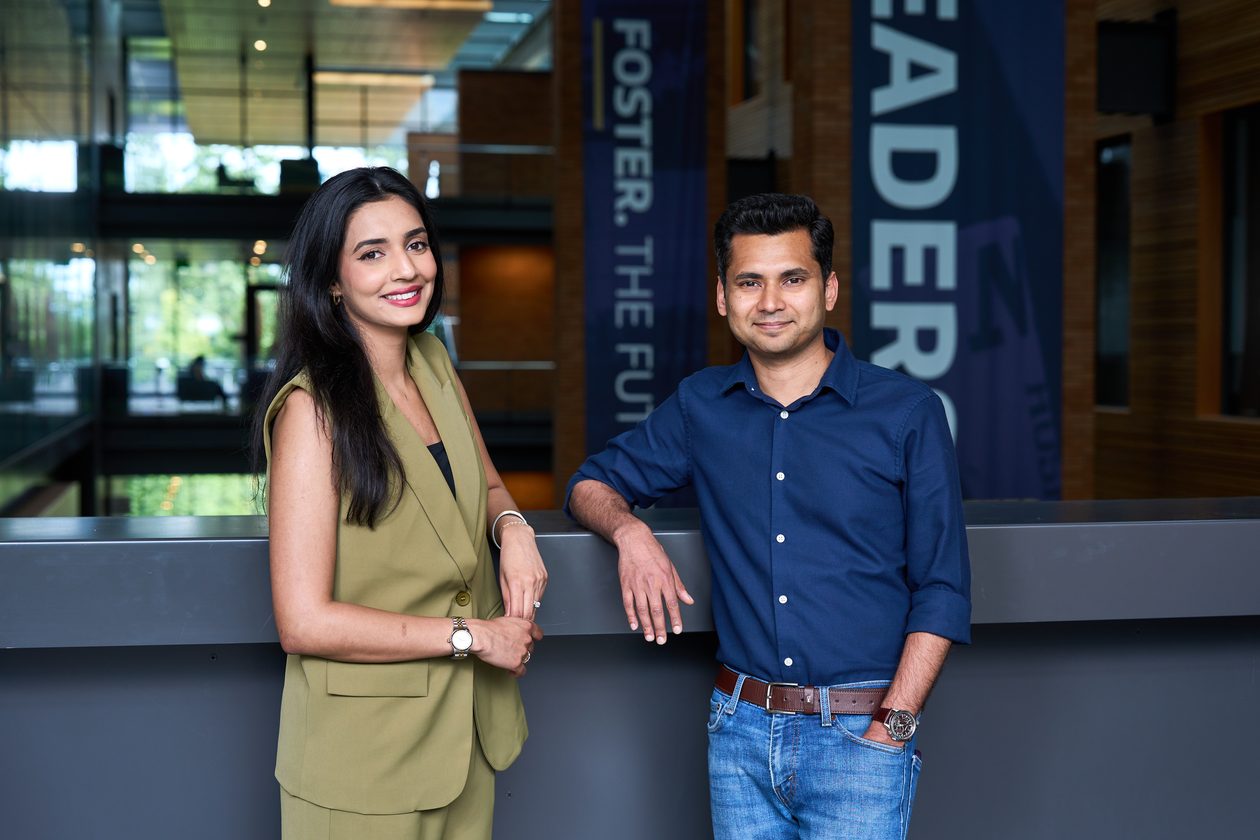
A successful pivot also depends on learning about new roles, meeting people who do the work, and building relationships in the fields you want to enter.
Rabiya Shahid entered MSIS with a specific career goal: working in solutions engineering.
“I’ve always been drawn to roles that blend technology, storytelling, and real-world problem solving, which is exactly what solutions engineering does,” Shahid says.
Through an MSIS company visit to Salesforce, Shahid was introduced to principal solutions engineer Sreeram Nambiar, who became an informal mentor. The connection gave her a window into the company and the work of solutions engineers as she pursued her goal.
A year later, Shahid landed the role she had targeted at Salesforce, with Nambiar cheering her on every step of the way. Today, she’s a Lead Solutions Engineer.
Shahid was methodical about pursuing that goal, tracking applications, conversations, and follow-ups, and tailoring her outreach to different contacts. She encourages students to take full advantage of Foster’s career coaching, employer connections, recruiting support, and other resources available through the program.
Her advice: “Don’t just ask for a job; ask to learn.”
Prepare for what you can’t predict
The technologies people use at work will continue to change. That makes the ability to learn unfamiliar tools, approach new problems, and determine where technology can be useful a career skill in itself.
That’s something Brown says she took from MSIS as she moved into AI-focused work.
“The Foster MSIS didn’t just teach me technology,” she says. “It taught me how to think.”
A note about the Foster MSIS: Located on the University of Washington campus in Seattle, the MSIS program draws students from a wide range of academic and professional backgrounds. A technical undergraduate degree isn’t required. Many students build new technical expertise on top of their existing experience. The one-year program is also designed to fit alongside a career, with evening and weekend classes that allow students to continue working full-time. To learn more about the program, visit foster.uw.edu.
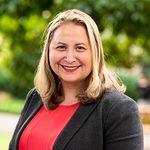
Tal Lev is Assistant Dean of Specialty Master’s Programs at the University of Washington Foster School of Business, where she leads a portfolio of six specialized master’s programs. Her work spans program strategy, growth, and the evolving role of graduate business education in preparing professionals for a changing workplace.
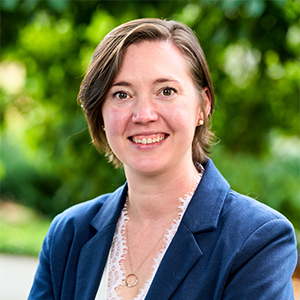
Natalie Meyer is Director of Admissions for Specialty Masters Programs at the University of Washington Foster School of Business, where she leads recruiting and admissions across six specialized master’s programs. She brings a broad view of the graduate education market, including what professionals are seeking as career needs and employer expectations change.
