
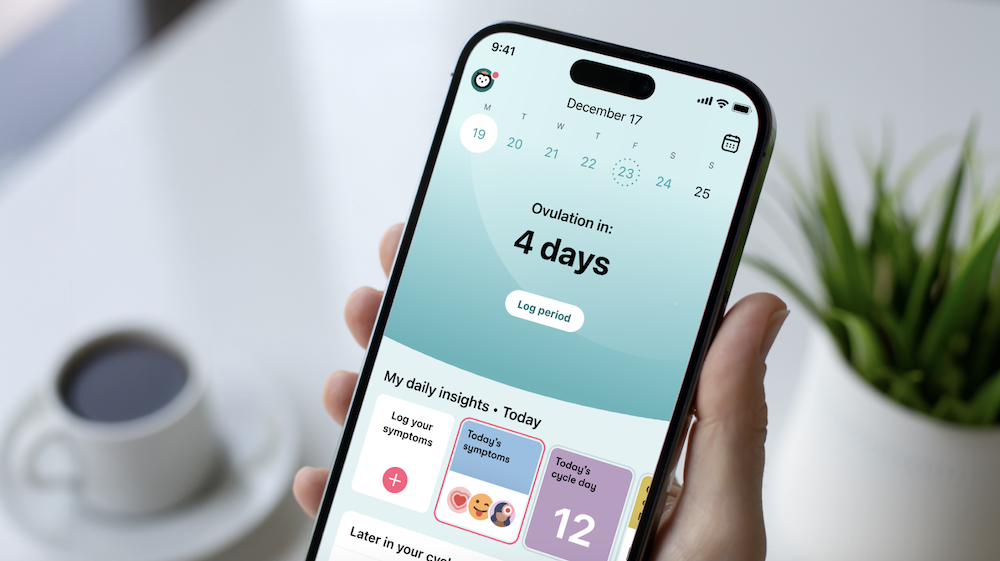
For many women, health and wellness tracking has become second nature. They log their periods, symptoms, moods, pregnancies, fertility journeys, and everything in between. Apps can help users understand their bodies in ways previous generations simply couldn’t: from insights into irregular cycles and managing symptoms, to navigating conception and pregnancy.
These tools have become trusted companions through some of life’s most important transitions. Research shows that leveraging these digital health and wellness tools can improve care outcomes. At the same time, concerns about digital trust and privacy have grown, particularly around how apps handle highly sensitive health information.
It’s a reasonable concern. Reproductive health data is among the most personal information about someone. Women should not have to sacrifice their privacy for a better understanding of their bodies.
That’s why women’s health services must truly and objectively incorporate privacy as a fundamental part of their operations and user experience.
When some of life’s biggest moments: trying to conceive, navigating pregnancy, managing chronic conditions, preparing for menopause, or simply understanding their cycles, are in play – the sensitivity of this information demands women have greater clarity about who can access that information and how it’s protected.
For Flo Health, a women’s health app, those questions shape the way the company approaches privacy and security.
In 2022, Flo accelerated the development of Anonymous Mode, a feature that allows users to access the app without providing identifying information such as their name or email address. The goal was simple: give women more control over how much personal information they choose to share.
Building Trust Behind the Scenes
Privacy is something everyone is entitled to as a human. But in the digital age, consumers often think one needs to sacrifice certain elements of their personal identity to obtain the benefits of digital tools. But why should the consumer bear the onus of verifying how their data is used, especially when those privacy policies are buried in tiny font and legalese?
Flo believes that it is the technology companies that should be responsible for not only protecting consumer data, but making sure privacy policies, data workflows, and security standards are easy to read – and well understood. Companies that handle sensitive health information should be held to a higher standard of privacy, transparency, and accountability.
Before the internet, women manually tracked their cycles with pen and paper, without an understanding of what those data points mean. Digital health and wellness apps provide necessary context for a full picture of menstrual health. These benefits should not be sacrificed in lieu of data protections.
In fact, strong privacy protections are essential to earning and maintaining consumer trust.
Flo has invested heavily in strengthening its privacy and security practices, including obtaining internationally recognized privacy and security certifications (ISO 27701 and ISO 27001), with independent audits validating that the company’s privacy and security measures align with rigorous global privacy requirements.
Flo also established an independent advisory board of external experts to hold the company accountable. Perhaps just as important are the company’s ongoing efforts to make these conversations more accessible.
Rather than expecting users to decipher technical language, Flo provides educational content designed to answer common questions about privacy in plain English in the app and on its website. The company recently launched an updated Trust & Safety Center and partnered with privacy advocates to discuss topics many women are already wondering about, from data protection to digital security.
“Privacy is a priority for us and our users, and we believe people deserve fact-based and clear information about how their health data is protected,” said Sue Khan, VP of Privacy and Data Protection Officer at Flo Health. “Privacy and security does not have to feel complex. People should ask questions about what safeguards are in place when it comes to their data. We’ve done the work. It’s time for us to communicate our best in class privacy practices in an accessible way that allows us to address any common questions head on.”
Why This Matters Beyond One App
As women’s health technology continues to evolve, trust is becoming just as important as innovation.
The future of women’s health will likely include more personalized insights, AI-powered tools, and digital support across every life stage, from fertility and pregnancy to perimenopause and beyond. But none of those advances matter if women don’t feel comfortable using them.
Conversations about privacy need to be placed alongside conversations about innovation.
At its core, women’s health technology is built on trust. And increasingly, the companies that earn that trust won’t be the ones talking the loudest about privacy. They’ll be the ones actually building audited products that make women feel informed, empowered, and in control of their own data.
When it comes to health information, privacy shouldn’t feel like a privilege. It should feel like a given.
Disclaimer: GeekWire newsroom and editorial staff were not involved in the creation of this content.
