
Key Takeaways
- Preparation is the real season. Once demand shows up, it’s too late to react. Sleepyhead’s planning, inventory commitments, and marketing calendars have to be locked in months before the 100-day window opens, because there’s no ramp-up period once it starts.
- Inventory and marketing have to move in lockstep. Overspend on marketing without stock to back it up, and you lose sales and trust. Overbuy inventory without the demand to match, and you’re sitting on cash you can’t recover until next season. Extreme seasonality leaves almost no margin for either side to get ahead of the other.
- Every season is a one-shot dataset. With the majority of annual revenue compressed into a few months, Sleepyhead doesn’t get quarterly do-overs. Each season’s results become the primary input for next year’s plan, making post-season analysis as critical as the season itself.
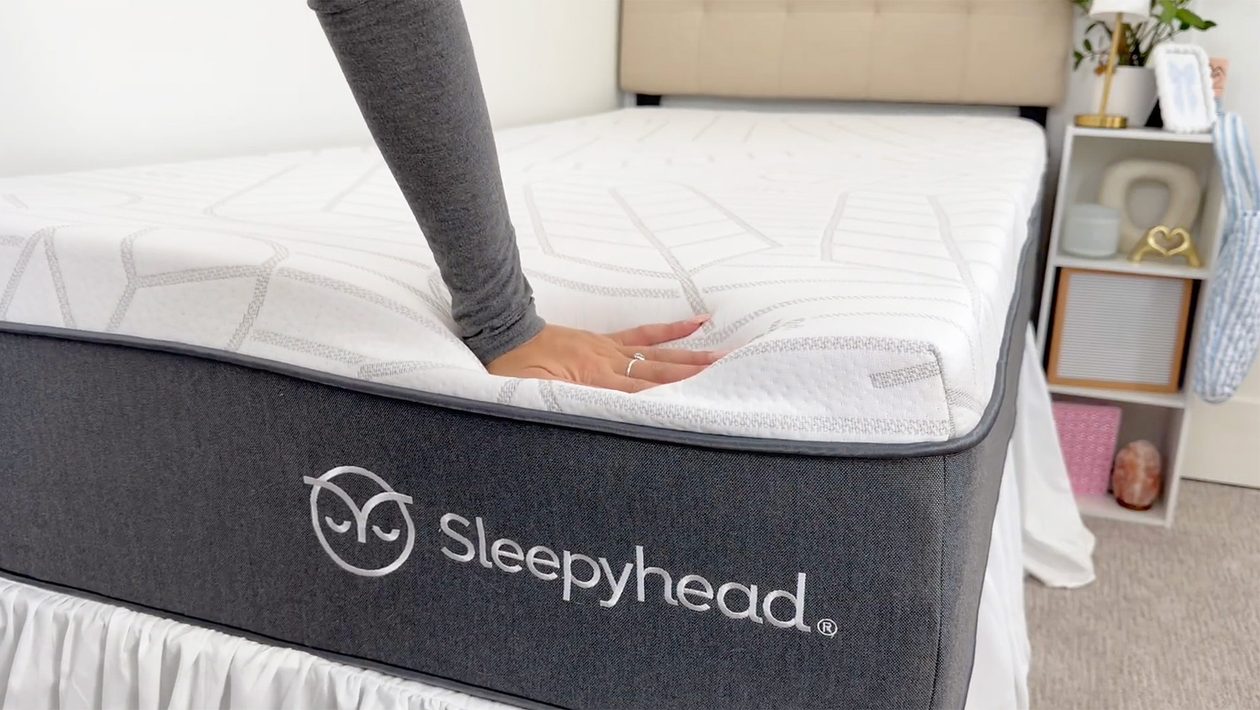
Sleepyhead operates a consumer business in which nearly everything that matters happens within roughly one summer window. Not a strong quarter. Not a busy season. A hard, compressed stretch of about 100 days where the vast majority of annual demand shows up, peaks, and disappears again.
There’s no slow ramp to learn from and no second chance a few months later if inventory runs short or marketing timing is off. The team either gets it right in real time or watches the opportunity for revenue, growth, and momentum pass until next summer.
Running a business this way requires a different kind of discipline, in which nearly all the work happens before the window opens and a single season’s mistakes can shape the company’s entire year. As Sleepyhead enters a new chapter with the launch of their first premium mattress, Sleepyhead Mattress: First Edition, this is what the company has learned about growth, seasonality, and making every moment count.
How Sleepyhead Turned a Simple Dorm Room Frustration Into a National Sleep Brand
Dorm mattresses present an unusual challenge. Students generally don’t choose them, can’t easily replace them, and may sleep on several different ones throughout their college years. But the bed is still one of the most-used pieces of furniture in a student’s room.
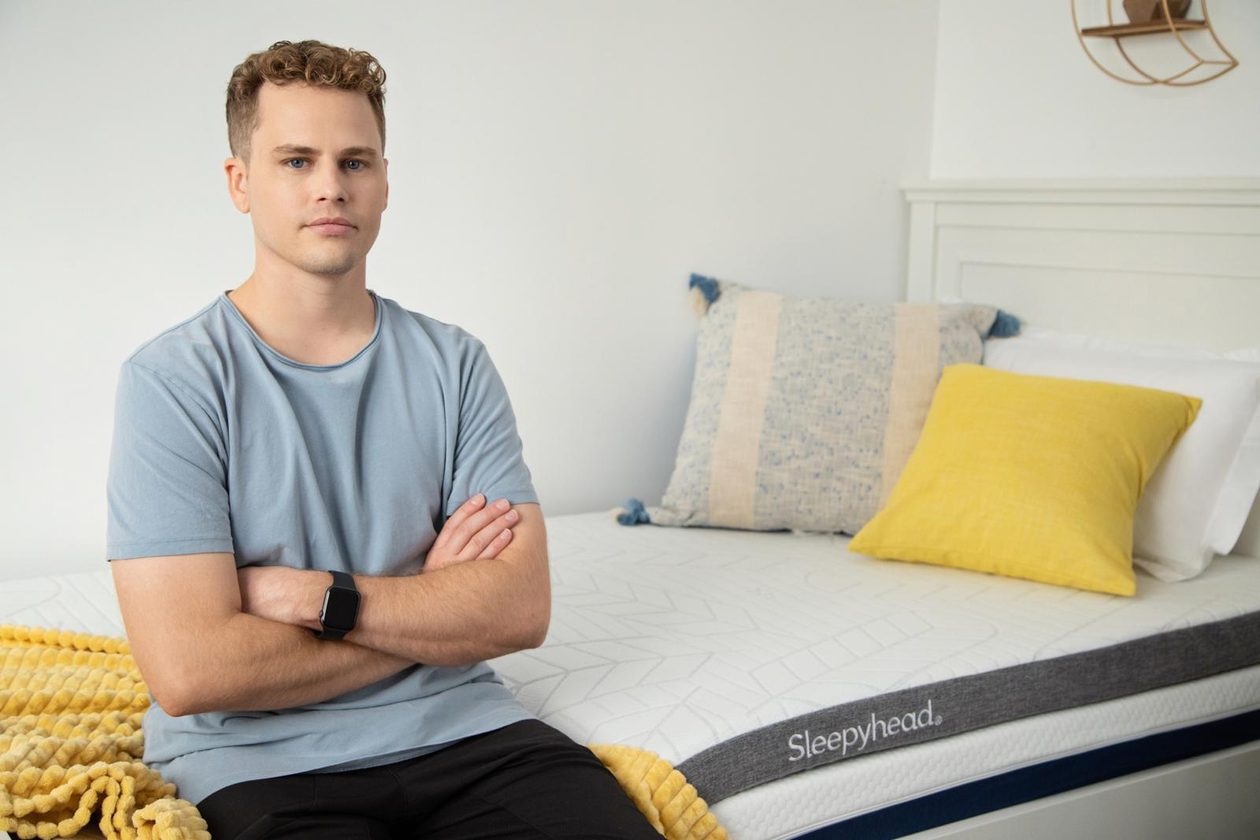
As a college student dealing with an uncomfortable dorm mattress, Sleepyhead founder Steven Van Alen saw a problem worth solving. Rather than attempting to reinvent the entire dorm, Sleepyhead focused on improving the part that mattered most at the end of a long day. A mattress topper made sense. It could transform the feel of an existing mattress without requiring students to replace what their school provided.
By concentrating on a specific experience, Sleepyhead could learn directly from their customers. Each dorm room became another opportunity to understand what students needed and what parents valued. Over time, those lessons laid the foundation for something bigger than a single successful product.
Helping a student get ready for college? See why Sleepyhead is trusted by parents nationwide.
The Realization That Changed How Sleepyhead Operates
Very quickly, Sleepyhead realized they couldn’t operate the way most consumer brands do, treating each month as its own unit and making small adjustments as sales data came in. Because their core audience was students preparing for college move-in, their entire year relied on a single, 100-day period. Each summer saw a new influx of students arriving on campus, needing a dorm set up, and needing it now.
Most retailers use promotions to smooth out soft weeks or pull demand forward. Back-to-school works differently. Promotions can nudge when or where a customer buys, but they can’t manufacture the underlying need or push back the move-in deadline.
The customer’s timeline is fixed, so the task for a company like Sleepyhead is to be ready for that spike in demand rather than trying to generate it. If the product isn’t in stock and visible at the exact moment the customer needs it before college move-in, Sleepyhead loses the sale.
The timing pressure compounds because the window keeps shifting earlier. Back-to-school demand is now concentrated and urgent, with two separate peaks: an early-July spike pulled forward by summer sales events, and the traditional late-summer rush closer to the first day of school.
Nearly half of shoppers begin buying just three to four weeks before school starts, which leaves almost no runway between “demand appears” and “demand needs to be met.” For a physical product like a mattress topper, that’s the moment operations stop being a supporting function and become the whole game. Production, freight, and warehouse capacity must all be locked in before anyone can see how the season is actually trending.
Once that reality set in, everything from production schedules to hiring to marketing spend had to be rebuilt around a single, unforgiving question: Would Sleepyhead be ready before the window opened?
Turning Focus Into a Powerful Competitive Advantage for Growth
For a growing company, it can be tempting to always keep looking for more. More categories. More customers. More reasons for someone to buy. Sleepyhead took a more focused route.
While the broader sleep industry offered countless opportunities, the company continued concentrating on college sleep. That decision gave Sleepyhead a clear identity and a deep understanding of their market, and it’s a big part of why the business can function inside a window as tight as 100 days.
Focus made product development simpler. They just needed to start with what students need. It made marketing clearer because they could speak directly to students and the parents who were helping them prepare for college. That clarity matters enormously when there’s no time to figure things out mid-season. Sleepyhead already knows who they’re selling to and why, months before that customer ever starts shopping.
That focus gave the brand a recognizable role in the enormous sleep industry and a level of readiness that a broader, less focused competitor would struggle to match within the same 100 days.
“When I started Sleepyhead, the goal wasn’t to build another mattress company. It was to solve a very specific problem better than anyone else: helping college students sleep well on a bed they didn’t choose. Operating in that compressed 100-day window has taught us how to make decisions early, stay disciplined, and execute when the season hits,” said Van Alen. “Ten years and more than 150,000 customers later, that focus has given us the opportunity to build something much bigger. The Sleepyhead Mattress is the next step in that evolution — taking everything we’ve learned about sleep, comfort, and our customer over the last decade and building a product they can take with them long after college.”
Why Planning Is the Season That No One Sees
By the time Sleepyhead’s customers actually start shopping, the season is already mostly decided. Inventory levels, the marketing calendar, creative, promotions, and partnerships all have to be finalized months in advance, long before a single customer has thought about their dorm room.
That’s the part of extreme seasonality that’s easy to underestimate. A typical consumer business treats inventory and marketing as levers to pull in real time. They watch what’s selling, shift budget toward it, and restock the winners. Sleepyhead doesn’t get that luxury.
Manufacturing and freight lead times mean inventory has to be committed before there’s any real signal on demand. Creative has to be built and approved before the audience they’ve built for is even paying attention. Partnerships like campus programs, affiliates, and retail placements have to be locked in on an operations-dictated timeline, not when the customer is ready to buy.
That creates a strange type of pressure. The biggest decisions of the year get made with the least information. How much product to build, how big a marketing push to fund, and which offers to run all rest on last year’s season and their best judgment, because this year hasn’t started yet.
Get the inventory number wrong, and there’s no reordering your way out of it mid-season. Get the marketing calendar wrong, and there’s no do-over once students are already moving into dorms.
The lesson isn’t just to plan ahead. Most businesses do that. It’s that when demand is this concentrated, planning isn’t preparation for the season. It functionally is the season. The 100-day window is when decisions are revealed, not when they are made.
The Next Goal: Becoming America’s Most Trusted Sleep Brand
For Sleepyhead, expanding beyond the dorm room doesn’t mean losing sight of the place where everything started. The company’s long-term vision is ambitious: to become the most trusted college sleep brand in America while building a broader sleep company that serves customers through every stage of their lives.
Those two goals might sound like they’re pulling in different directions. In practice, they reinforce each other. Sleepyhead’s credibility comes from their focus. For 10 years, the company has learned what students need, what parents look for, and how sleep fits into the rhythms of college life. It’s knowledge built season after season, inside the same tight 100-day window, with almost no room to get it wrong.
The Sleepyhead Mattress: First Edition represents that approach in action. It expands what the company can offer while remaining connected to the customers who made that expansion possible. A freshman looking to improve a dorm room and a recent graduate furnishing a first apartment may be at different points in life, but both can turn to the same brand for a better sleep setup.
As the company grows into mattresses and a broader sleep brand, they’re taking the planning and operating discipline they learned from the college business with them into their new era.
Frequently Asked Questions
How Seasonal Is Sleepyhead’s Business, and How Far Ahead Do You Plan for It?
The majority of Sleepyhead’s annual demand is concentrated into roughly 100 days tied to back-to-school move-in. Because of that, planning can’t happen in real time the way it does for most consumer brands. Inventory commitments, marketing calendars, creative, and partnerships must be finalized months before the season begins, based on the prior year’s results and best judgment rather than on current demand signals.
What’s the Hardest Part of Forecasting a Highly Seasonal Business, and What Has Sleepyhead Learned?
The hardest part is that the biggest decisions, like how much to produce, how much to spend, which offers to run, have to be made with the least information, long before there’s any real signal on how the season will go. Sleepyhead has learned that each season functions as a single data point rather than a test-and-adjust cycle. What sells, what doesn’t, and what breaks operationally all become direct input into the following year’s plan, since there’s no next quarter to course-correct within the same season.
How Does Sleepyhead Balance Growth With Protecting Inventory and Profitability?
Growth and protection pull in opposite directions when demand is this concentrated. Overbuilding inventory ties up cash that can’t be recovered until the next season, while underbuilding means lost sales during the only window that matters. Sleepyhead manages that tension by staying disciplined about forecasting and by letting their focus on the college sleep market sharpen those decisions, rather than expanding into new categories or customers faster than their planning process can support.
The Real Lesson of a 100-Day Business
Running a business within a 100-day window has forced Sleepyhead to operate with a discipline most consumer companies never develop. There’s no slow ramp, no quarter to make up for a missed one, and almost no room for error once the season begins.
That means the real work happens long before a single customer starts shopping. Inventory, marketing, creative, and partnerships all have to be decided with incomplete information, based on judgment and the lessons of seasons past.
At first glance, that kind of extreme seasonality looks like a disadvantage. It’s a narrow window with no margin for mistakes. For Sleepyhead, it became a strength. Operating this way built a level of discipline around planning, forecasting, and post-season learning that a steadier, more forgiving business might never have been pushed to develop.
The constraint of a 100-day selling window forced Sleepyhead to become better at planning, forecasting, and execution than they might have otherwise needed to be. When most of your year depends on a single season, you learn quickly that preparation matters more than reaction and that small mistakes can have outsized consequences.
What started as a limitation ultimately became one of their greatest operating advantages. The business is larger today, the decisions are more complex, and the opportunities are much bigger, but the discipline remains the same: Plan early, execute with focus, and learn from every season. Those are lessons they built out of necessity, and they’re now the same skills helping them scale Sleepyhead into a much bigger company.
Disclaimer: GeekWire newsroom and editorial staff were not involved in the creation of this content..
