
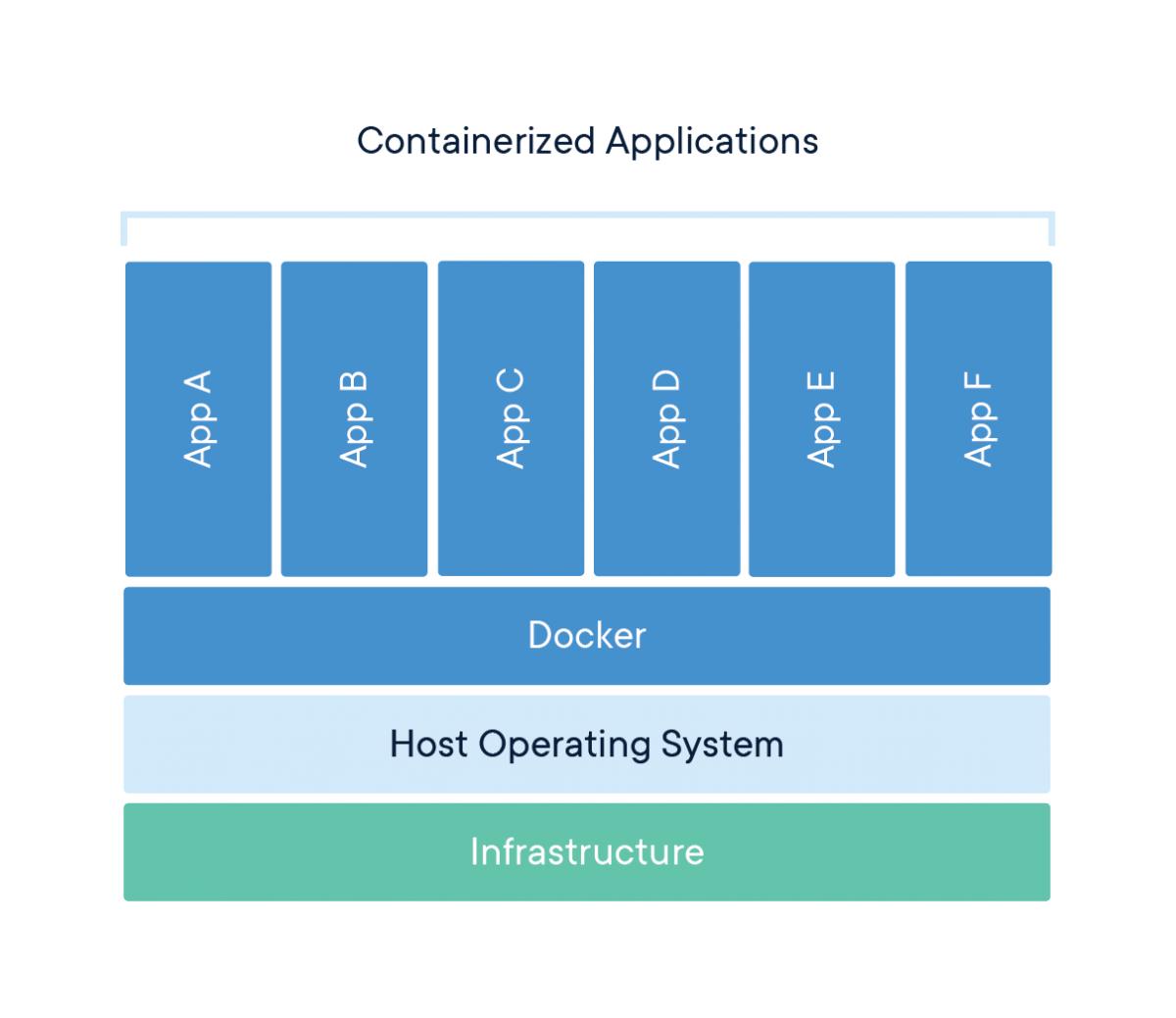
As information technology (IT) teams work to standardize security systems and development pipelines across cloud infrastructure, their focus has turned to container image security. Base images for the foundation of containers, executable packages of software that ensure application efficiency. As more infrastructure comes to rely on containers, access to secure Docker images is essential.
“You can consider an image of being a screenshot of an application,” Ameya Shanbhag explained for Medium. “When someone says that they have created a Docker image of their application, that means they have taken a screenshot of their application, and now that application can be run anywhere.”
Value of Secure Docker Images
When a system accesses a Docker image in order to run a “screenshot” of an application, that image has the potential to open avenues of attack. While it is impossible to remove this threat entirely, there is a significant distinction between secure images, untested images, and compromised images. Containerized environments build on these images; vulnerabilities in these introduce system risk.
A compromised image may simply be outdated or misconfigured, or include actively malicious packages. Regardless of the nature of its compromise, shortcomings in image security can easily lead to unauthorized access or even malware execution. These risks may be limited to the container itself or spread throughout an entire cloud system, depending on the nature of an organization’s infrastructure.
It can be difficult to tell whether certain images are secure, but a business can establish solid foundations by using base images from only trusted sources. Drawing on sources that promise results, but might not necessarily be verified, can create early exposure that might compromise infrastructure from its initial development. Ensuring the security of these base images is likely critical to IT operations.
Best Practices for Secure Docker Images
Image creation and management is not a simple process; however, there are a few best practices that organizations and teams may wish to adopt if they haven’t already. In addition to the following, security teams should regularly scan existing images for any vulnerabilities that may have been overlooked, as well as any images they intend to introduce, in order to stay ahead of potential environment risks.
When it comes to Docker images, a reduced attack surface can make all the difference. The foundations of an organization’s IT infrastructure should be based on minimal and purpose-built base images that offer a smaller size. Although these images may include fewer system libraries and tools, their increased security is a valuable benefit to the various systems that they support.
It is often the case that containers run as a root user by default; also known as a “superuser,” this is the most powerful default in many operating systems. With this level of unrestricted access, any potential intruder could easily obtain host-level access in the event of an exploit. Before an image is introduced to a system, it is essential that organizations and security teams specify user and group access.
Although it may be convenient for users and teams, sensitive information such as application programming interface (API) keys and passwords should never be a part of an image layer. Rather, these kinds of secrets should be handled in a different part of the build process, depending on the system an organization relies on. Additionally, avoid generic tags and privileged flags unless absolutely necessary.
Secure Docker Images and Verification
Before an image is introduced to be managed in the first place, any and all vulnerabilities should be identified and evaluated. Furthermore, IT teams should work to mitigate “man-in-the-middle” attacks by utilizing tools that sign and verify the authenticity of a Docker image. In this way, organizations can preserve image integrity and focus on maintaining best practices for long-term operations.
Scaling With Secure Docker Images
As infrastructure grows and expands, its security measures must follow across environments. Whatever protections worked before will not necessarily have the same effect within different spaces, and it is a constant reality that supply chain attacks are increasing. By securing the images that make up the base layer of container infrastructure, organizations may improve consistency overall.
Introducing automation into security infrastructure can help to reduce human error, such as failing to change container access or verify image safety. However, human insight is still a valuable resource in this space. Platform teams are actively driving the adoption of Docker image security across multi-cloud infrastructure environments, and their oversight will be necessary for maintaining growth.
Secure Docker Images for Standardized Security
Container image security has become a core part of cloud-native infrastructure, and Docker images play a central role in this environment. Security systems are only becoming more complex, but these foundational solutions can lead to more effective outcomes. So long as image integrity is ensured and vulnerability scans remain consistent, Docker images have real value in modern infrastructure.
Disclaimer: GeekWire newsroom and editorial staff were not involved in the creation of this content.
