
If you’re shopping for a home right now, you’re probably doing what everyone else does, scrolling listings, tapping photos, hitting “Contact Agent.”
Seems harmless.
It’s not.
That one click can quietly decide who represents you in the biggest financial deal of your life, and most buyers have no idea what they’re signing up for.
And in a market where the median home price is still hovering around $400,000, according to recent housing data, every decision matters more than ever.
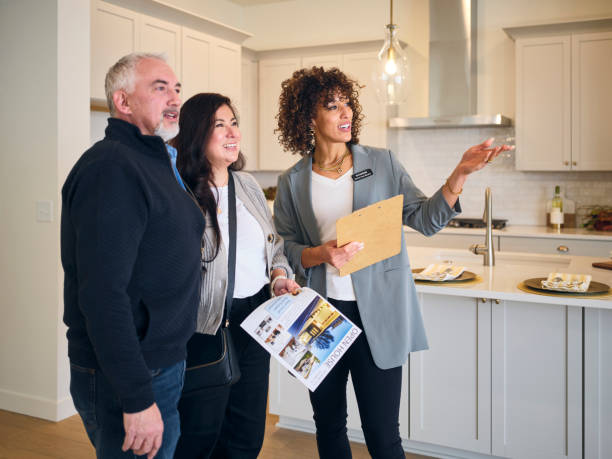
You think you’re getting help. You might be getting a salesperson.
When you click “Contact Agent” on a listing, you’d assume you’re being connected with someone who’s there to help you get the best deal.
Not necessarily.
If you’re not careful, that button may give you no choice but to connect you straight to the listing agent, the person hired to sell the home.
Their job is simple: get the highest price possible.
Not the lowest price for you.
In a market this expensive, that’s not a small detail, it’s the whole game.
Why this matters (a lot more than people think)
Buying a home today isn’t just about liking the kitchen or the neighborhood. It’s about pricing, leverage, inspections, timing, and negotiation.
Nearly 9 in 10 homebuyers use a real estate agent, according to the National Association of Realtors, but far fewer understand who that agent actually represents.
That’s where a buyer’s agent comes in.
A buyer’s agent works for you. Period.
They help you understand what a home is actually worth, spot red flags, and push back when a deal doesn’t make sense. Most importantly, they negotiate on your behalf — not the seller’s.
And that can directly affect what you pay.
Financial expert Dave Ramsey put it plainly:
“A buyer’s agent brings experience, market knowledge and negotiation skills to the table that can save you time, money and a ton of stress.”
Translation: the right representation can save you real money.
The convenience trap
Real estate platforms have made house hunting incredibly easy. That’s the good news.
The catch? Not all of them are designed with the buyer in mind.
Some are built to connect you with someone as fast as possible, not necessarily the right someone. Others steer you toward agents tied to the listing itself.
It’s fast. It’s seamless. And it can work against you.
Especially if you don’t realize what’s happening.
What to look for before you click
Before you hit “Contact Agent,” take a second and ask:
- Who does this person actually represent?
- Are they working for me, or for the seller?
- Do I have someone negotiating on my side?
If you can’t clearly answer those questions, you’re already at a disadvantage.
Where can you get the best buyer experience?
Not all real estate platforms work the same way, and that matters more than most buyers realize.
Some platforms are more likely to connect you with buyer representation, while others often route inquiries to listing agents or agents tied to the seller side of the deal.
In general:
- Homes.com directs everyone to the listing agent who is working for the seller
- Realtor.com, Redfin.com and Zillow.com gives home buyers the ability to choose either a buyer’s agent or the listing agent
As a buyer, where you search matters.
The bottom line
Buying a home is already one of the most expensive decisions you’ll ever make.
Who’s representing you shouldn’t be an afterthought.
Because in this market, the difference between having someone in your corner, and not, isn’t subtle.
It shows up in the price you pay and the options you have.
Disclaimer: GeekWire newsroom and editorial staff were not involved in the creation of this content.
