
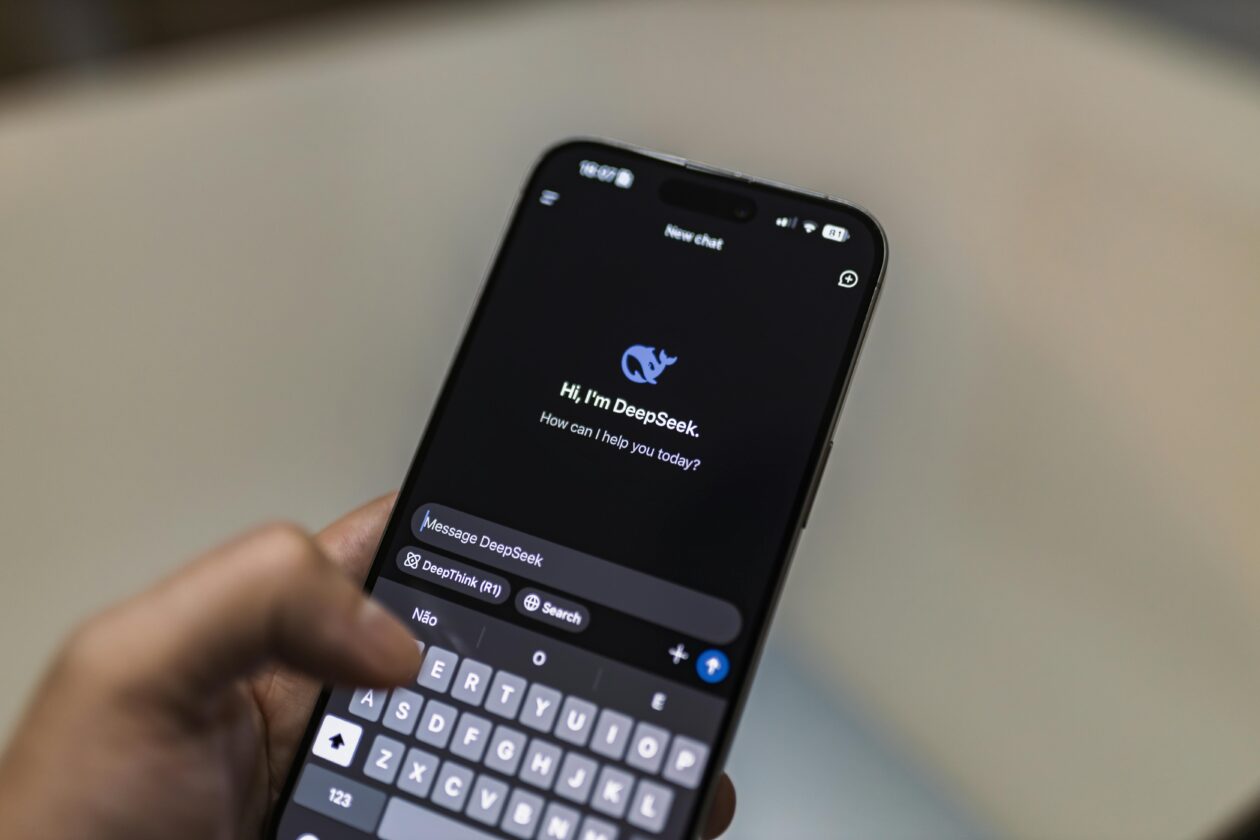
When people talk about artificial intelligence, they often assume the boardroom and focus on big corporate strategies. But a new, large study from Recon Analytics, with support from analysts Roger Entner and Joe Salesky, covering over 100,000 US knowledge workers, paints a much larger picture: AI is primarily being adopted by employees themselves in a bottom-up movement. This dataset, the largest of its kind tracking real-world AI usage, reveals that the workforce is already being reshaped, not by executive order, but by individual choice.
The Future that’s Already Here
AI no longer lives in the domain of science fiction stories. It’s a current work staple. And Recon Analytics has found that 40.8 percent of knowledge workers now use AI in their jobs. They report solid productivity boosts, rating their gains of 7.8 on a 10-point scale, with 0 being unimportant and 10 being critical for important tasks such as writing, crunching numbers, and brainstorming.
Model predictions suggest this usage is already translating into an estimated $420 billion annual productivity lift. But the most important detail in these findings is that most of this adoption, approximately 61 percent, is organic. Additionally, nearly half of AI-using employees (about 44.9 percent) have started using it on their own, without a company mandate.
The Cost vs. Capability
Even though AI is widespread, most people are sticking to free options: 79 percent use no-cost tools, compared to 21 percent who pay for subscriptions. But it’s also been discovered that workers who pay for tools report noticeably better results.
For instance, paid users rate their productivity at 7.7, compared with 7.1 for free users. The data shows a larger difference in the percentage of tasks automated, with 7.3 versus 6.6 percent. This suggests that while free tools are a good introduction to AI, paying for features and capabilities can generate more value over time.
The Power of Connection
The next major leap for AI in business will likely come from connecting tools to a company’s private proprietary data. Tools that are integrated this way score higher and hit productivity marks of 9 or above, a jump from the 8.1 score for non-integrated tools.
What the data ultimately shows is that better productivity gains won’t come just from better AI models. It will also benefit from being embedded within an organization’s specific information flow.
Why Speed Beats Features
The AI tool market is generally considered unstable, with low switching costs making it easy to jump ship when something new and shinier comes along. Nearly one in three workers, or 28.8 percent, is willing to try a new platform. But what drives their choice isn’t that complicated. It’s just speed.
Workers choose and stick with tools, for the most part, based on how quickly they deliver usable results. When they do decide to pay for a better tool, their reasons are usually practical: 24 percent want better integration with their existing system, 19 percent want more advanced creative features, and 12 percent want to prioritize automating their workflows.
The Bottom-Up Reality
This data, gathered through Recon Analytics’ AI Pulse service with more than 6,000 weekly respondents, confirms that AI adoption is a practical, employee-driven reality that is already changing how people work. The scale of this dataset provides unprecedented insight into what the AI ecosystem actually looks like beneath corporate announcements and vendor marketing. Companies that recognize and respond to these bottom-up users’ behaviors may be in the best position to succeed in the coming decade, as it’s expected that AI will change, with the workforce affected in new and perhaps unexpected ways.
Disclaimer: GeekWire newsroom and editorial staff were not involved in the creation of this content.
