
Seattle’s startup scene has long been defined by companies that combine equality with scalable technology. Into that social justice lineage comes Piñata, a proptech platform using AI, fintech integrations, and national partnerships to reward renters and build credit from their largest monthly expense: rent. And the Seattle real estate market is feeling its impact.
Founded during the pandemic by Lily Liu, a female immigrant entrepreneur, Piñata has quickly become one of the largest rent-rewards and credit-building platforms in the U.S. Its premise is simple but overdue: transform rent payments, traditionally a dead cost, into a financial asset that contributes to long-term stability.

Through partnerships with major property-management systems such as MRI Software, AppFolio, and Second Nature, Piñata is embedded at the transaction layer of how millions of units operate. By automatically reporting on-time payments and earning reward points, their infrastructure provides benefits to everyday renters seeking to stretch every dollar while improving their credit.
With over 2,000 management-firm relationships combined with Piñata’s direct-to-consumer Piñata Pay card, the platform reaches nearly 30% of the U.S. rental market, equivalent to more than 10 million renters.
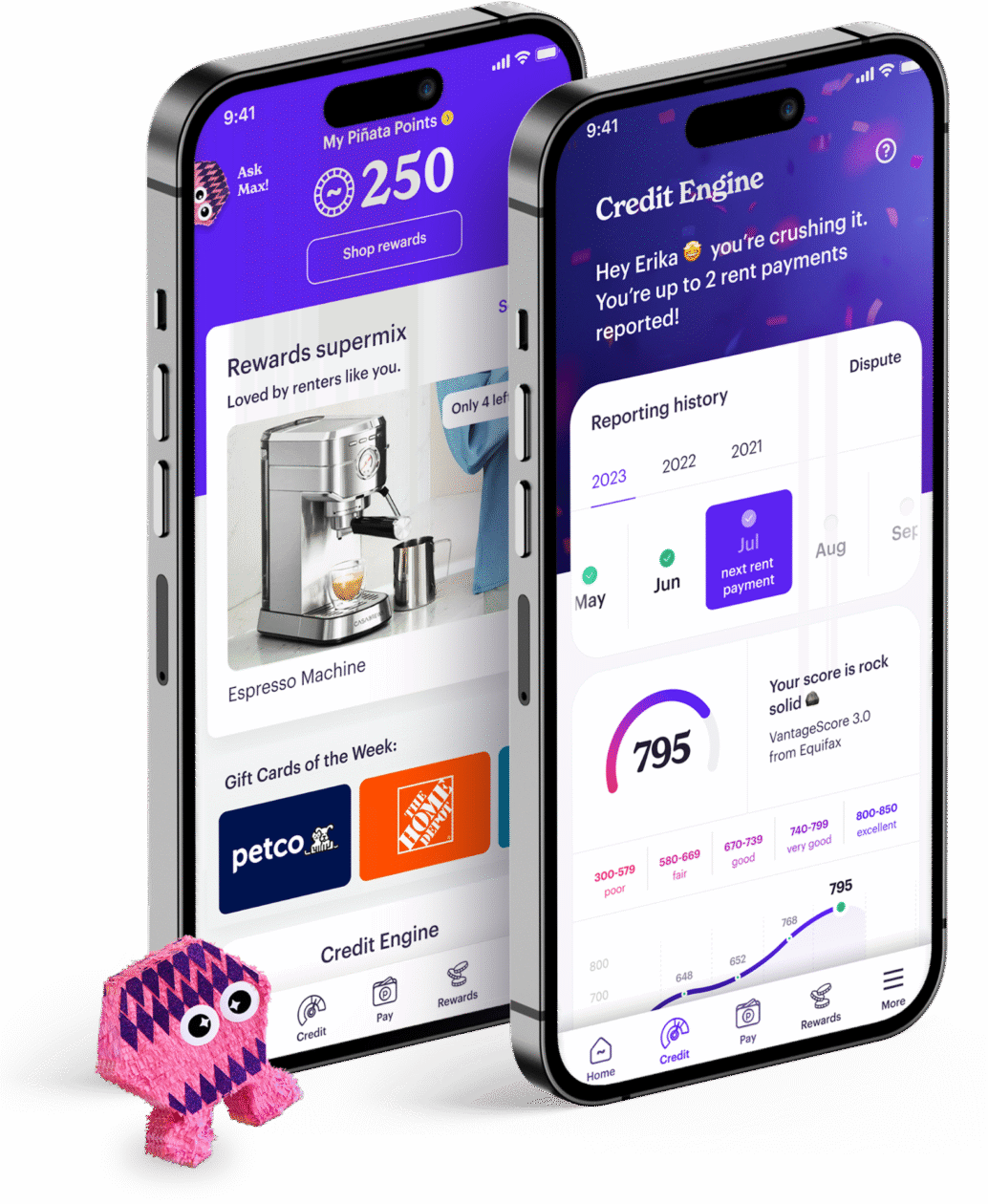
Seattle’s rental market, one of the most competitive in the country, has become a proving ground for Piñata’s model, along with other major cities like New York and LA. Rising costs and thin vacancy rates have pushed affordability to crisis levels, making the company’s mix of rewards, credit reporting, and renter education particularly resonant with tenants across the region.
“Our users in places like Seattle aren’t luxury renters,” Liu explains. “They’re hardworking people trying to make ends meet in expensive cities. Piñata helps them turn rent payments into financial progress.”
Unlike many proptech startups that layer AI for optics, Piñata’s use of machine learning is deeply operational. Its proprietary data models surface hyper-personalized offers like grocery and household discounts, making rent a gateway to savings and smarter financial behavior.
“AI helps us deliver relevance at scale,” Liu says. “Every renter sees value that fits their lifestyle; it’s not about data for data’s sake but impact at the individual level.”
The company also tracks financial wellness outcomes among its users, including improved credit scores, reduced late payments, and higher engagement with personal finance tools, metrics that increasingly define success for mission-driven startups.
By 2026, Piñata projects its “Powered by Piñata Network” will touch nearly one-third of all U.S. rentals. The next phase expands access beyond partner properties: renters can join directly with a Piñata Pay card, bringing credit-building and cash-back features to anyone, anywhere.
“Seattle has always been a launchpad for technologies that change daily life, like cloud computing, e-commerce, and digital payments,” Liu says. “We see Piñata in that same lineage: a system that rewires how ordinary people interact with money.”
If it succeeds, Seattle might again find itself as an instrumental part of a national shift that makes paying rent feel a little less like losing ground.
Disclaimer: GeekWire newsroom and editorial staff were not involved in the creation of this content..
