
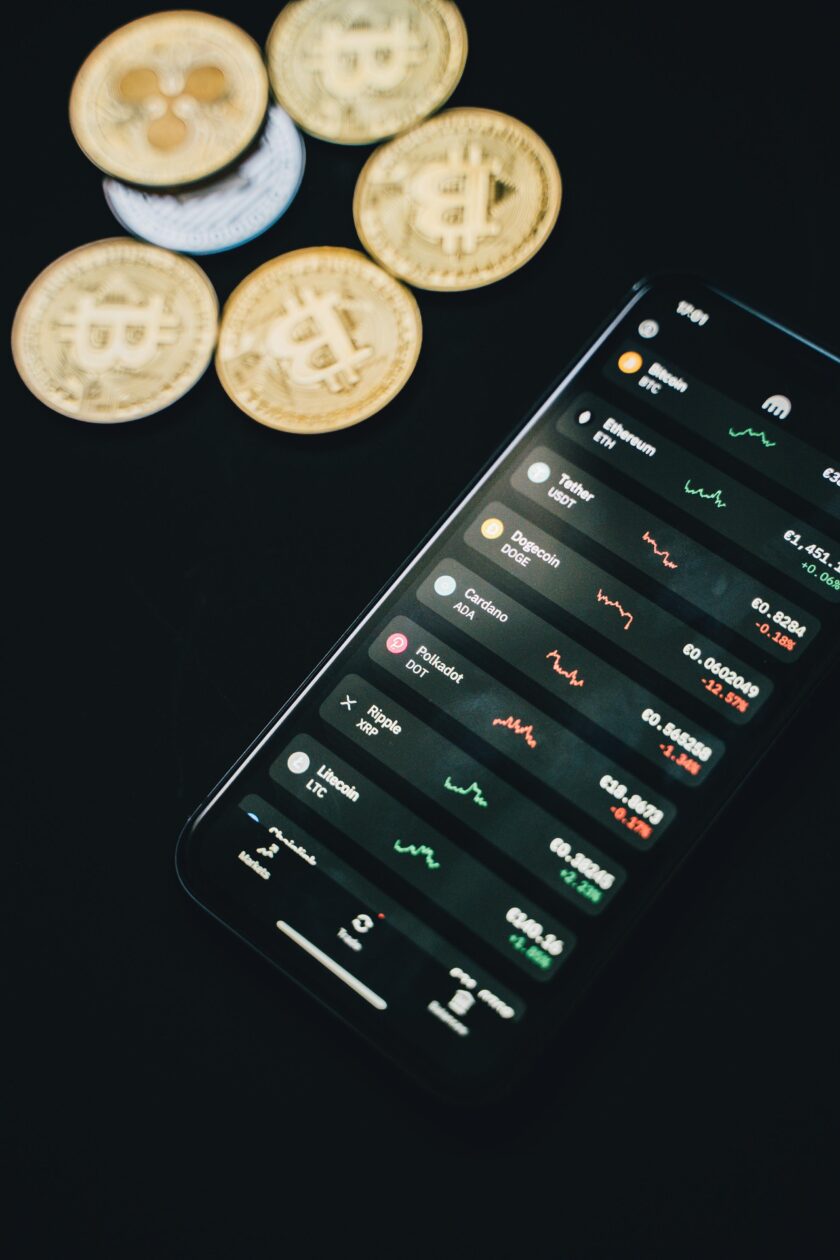
The world of traditional finance has changed rapidly over the last few years, with a hard lean into digital assets. For major players, from hedge funds to corporate treasuries, this isn’t some off-the-cuff move on their part. Rather, it has required long-term planning, including selecting cryptocurrency exchanges that meet extremely high standards for safety, compliance, and reliability. In recent years, OKX and other platforms have stepped up as key players by specifically addressing a number of complicated requirements and concerns.
“The rising influence of cryptocurrency advocates in corporate boardrooms is heralding a transformative shift in the financial landscape,” EuroFinance reports. For global institutions, for example, an exchange needs to offer more than a digital watercooler for quick trading. They require a hearty foundation that’s built on regulatory compliance, deep market liquidity, iron-clad custody solutions, sophisticated risk management tools, and solid transparency all the way down the line.
Crypto on the Corporate Stage
Crypto is becoming a more established backbone in big business as it integrates its way deeper into everyday life. Even across a diverse range ofwhen acce sectors, including e-commerce, online marketplaces, global contracting, and digital media, businesses are increasingly and, sometimes, discreetly incorporating cryptocurrency into their financial operations, driven by crypto’s inherent advantages: It provides a faster, often cheaper, and more secure method for transferring value internationally.
This is leading larger corporations into the deeper depths of digital trade.
The 5 Pillars for Proper Regulatory Structure
For corporations, high volumes of large trade require rigid regulatory systems to guarantee both safety and compliance. Today, most institutions look for the following requirements.
1. Governance and Regulatory Compliance
Global licensing and registration are important because institutions mainly depend on exchanges that follow strict rules. When an exchange is accepted in major financial markets, it reduces operational risk and provides institutions with the legal assurance they need. AML and KYC also protect the platform’s integrity by reducing the chances of illegal activities. Good corporate governance ensures clear laws and strong internal controls. This unifies the entire system. This continuity with existing expectations is often essential for institutions accustomed to working with traditional financial systems. This is also why exchanges like Coinbase, which holds multiple U.S. regulatory approvals, and Kraken, known for its strong compliance posture, frequently appear on institutional shortlists alongside OKX.
2. Institutional-Grade Infrastructure and Execution
Sizable financial firms need infrastructure that can handle high-volume trading without failure. High-throughput matching engines allow the platform to process orders quickly and reliably. This speed is important for algorithmic strategies and fast-moving markets. Low-latency connections through API or FIX protocols allow institutions to connect directly to their existing systems. This setup makes things run more smoothly every day. Institutions can make big deals without changing prices when liquidity and market depth are high. This allows exchanges to happen quickly. OTC desks and block-trading services provide a regulated space for private negotiation and settlement of transactions for larger trades that should not be visible in the open market. Competitor platforms like Binance and Bitstamp also focus on fast execution and deep liquidity to meet the needs of institutional clients.
3. Asset Protection and Custody Solutions
Institutions also seek custody agreements that offer the same protections they expect from traditional banking. One simple way to ensure that assets remain legally and technically separate is to keep client funds apart from operating capital. Multi-layer cold storage includes offline vaults placed in different locations to protect most assets from online threats. Most high-end exchanges offer this service. Multi-signature, or MPC, technology adds an extra layer of security. This needs a lot of approved signatures before any transfer can happen. This setup makes it less likely that one thing will go wrong. Institutions can feel more at ease knowing their assets are secure during worst-case scenarios, as insurance policies cover major losses or breaches.
4. Risk Management and Oversight
Effective oversight is essential for firms managing large or complex portfolios. Real-time risk dashboards give institutions continuous visibility into open positions, margin levels, and overall exposure. Margin and derivatives controls help them manage strategies that require more sophisticated handling, allowing institutions to maintain discipline around leverage and hedging. Systems that produce audit-ready reports simplify internal reviews and required regulatory checks. This makes compliance easier. On-chain analytics tools provide clear insights into asset flows and counterparty activity. They help institutions assess risk using data they can verify directly.
5. Transparency and Trust
Finally, institutions place great importance on a platform’s willingness to show its work. Proof-of-reserves attestations confirm that client assets are held on a 1:1 basis. These attestations provide regular public confirmation instead of relying solely on trust. Independent audits conducted by certified firms test financial statements and security procedures, which strengthen the platform’s credibility. The exchange understands how important open communication is because it enables clear financial disclosures on operational health, security incidents, and overall stability. This level of openness is a key factor for institutions in deciding whether a platform really meets international financial standards. As the industry has changed, OKX’s competitors, Kraken and Bitstamp, have also put a lot of emphasis on programs that promote openness.
A good, solid platform will prioritize these five pillars, making them strategic choices for institutions seeking a compliant and reliable partner in the digital asset market.
The Market Evolution
Corporations will continue to push inward into digital spaces, and as a result, the digital asset market will be forced to evolve quickly to meet traditional institutional standards. These quickly developing areas mean that the market is ready for the most demanding institutional partners.
Choosing an exchange like OKX, one that has actively driven and adapted the five pillars, can be a solid move for institutions that want to safely navigate all that the future of digital finance has to offer.
Disclaimer: GeekWire newsroom and editorial staff were not involved in the creation of this content.
