
People have always trusted their instincts about strangers. What has changed is that there is now a tool for the follow-through.
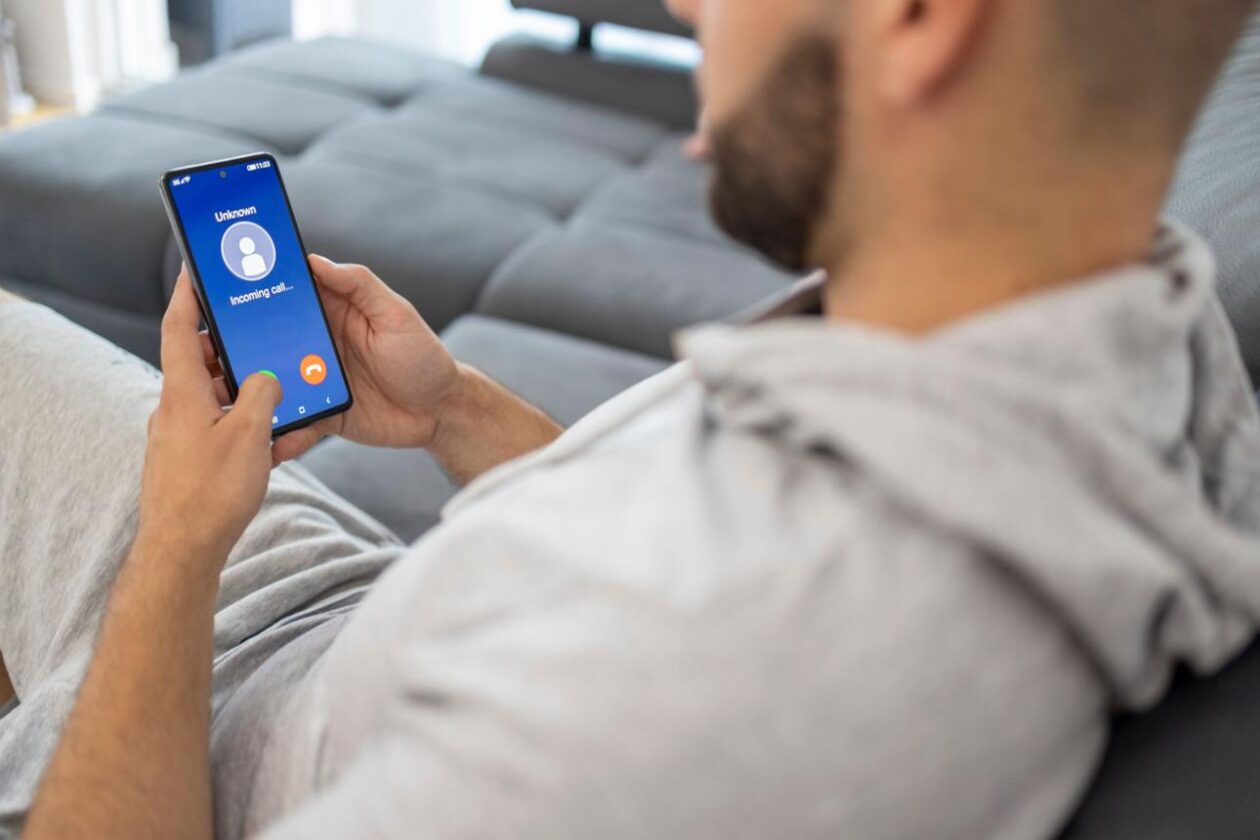
There is a moment most people recognize—a number you do not have saved calls twice. A dating profile seems credible but raises a question you cannot quite name. An email arrives from a name you half-recognize and cannot place. For most of human history, the response was a shrug or a guess.
That is shifting. Verification has become a reflexive step for a growing number of people navigating digital interactions, one shaped by practical awareness and a familiarity with digital uncertainty that has quietly built over years.
OSINT Comes Home
Open source intelligence, the practice of gathering information from publicly available sources, was once the domain of journalists and investigators. The terminology stays unfamiliar to most people. The actual behavior has spread well beyond that original audience.
Searching a phone number before returning a missed call. Running a reverse image search on a photo someone sent. Looking up an email address before engaging with a message. These are forms of OSINT, and they have entered everyday digital life without most users knowing what to call them.
ClarityCheck.com sits at this intersection. The platform has processed over 25 million lookups across phone numbers, emails, and images since launch. That volume provides a data-rich window into how people actually behave when something online prompts uncertainty, and the data show a broad, mainstream shift in how people manage digital risk.
When and Why People Check
The behavioral patterns ClarityCheck has observed are specific. Peak usage runs between 6 and 10 p.m., when people are off work, on their phones, and engaging with their personal lives. Dating conversations, return calls, and uncertain messages all land in that window.
Eighty-five percent of searches happen on mobile. The searches happen on the go, on the same device the question arrived on.
Repeat searches tell their own story. Users frequently run additional lookups after the first result raises new questions, or return weeks later when contact resumes. Verification has become a recurring feature for many users, woven into the fabric of ongoing digital relationships.
Dating and missed-call lookups are the leading use cases, according to the platform’s internal data. The ClarityCheck reviews that surface on third-party platforms reflect that pattern: the moment of uncertainty, the search, and the results.
Trust as a Learned Behavior
ClarityCheck has logged over 19,500 Trustpilot reviews with a 3.9-plus rating and counts 150,000 active users across the United States, United Kingdom, and European Tier 1 markets.
The platform focuses on everyday personal interaction and stays outside decisions governed by formal regulation. Its scope is the practical: the call you are not sure about, the profile that needs a second look, the contact you want to place before you respond.
The growth in verification lookups reflects the scale of digital interaction more than any shift in how people feel about strangers. The average person now encounters more unknown contacts online in a week than previous generations did in a year, and intuition alone has become an incomplete tool for navigating that volume. Looking something up first has become ordinary. The ClarityCheck reviews on platforms like Reddit confirm that shift in plain terms.
Disclaimer: ClarityCheck.com is intended for general informational use only. It is not intended for use in regulated decision-making processes, including employment screening, credit, housing, or insurance, or any other purpose covered by the Fair Credit Reporting Act or equivalent legislation.
Disclaimer: GeekWire newsroom and editorial staff were not involved in the creation of this content.
