As debates over AI’s role in creative work intensify, the second annual Seattle AI Film Festival (SAIFF) is betting that filmmakers don’t have to choose between human creativity and artificial intelligence. The festival — now in its second year — returns this month with 200 films that explore what happens when filmmakers say yes to both.
Held at Vice Seattle from Aug. 29 to 30, the festival wants to cement the city’s status as an AI film hub, dispel doubts about the medium’s capabilities and showcase what the tools can enable when guided by passionate filmmakers. (Editor’s note: The venue has been updated).
“We launched an AI film festival here because there’s world class AI, a large and largely quiet creative economy, and the ability to develop a cultural scene that’s simultaneously distinct but globally relevant,” says John Gauntt, the festival’s creative director.
By championing AI as part of the creative workflow, the festival hopes to broaden access to the rarefied visual language of cinema while keeping storytelling and creative direction in human hands. Gauntt says they are on a mission to help “human creators tell better stories,” while also recognizing the ability to “create cinematic content under radically different economics, timescales and formal expertise.”
The event will show select films that use generative AI for animation, visual effects, editing, and sound design, and feature panels from film creators and industry experts.
Featured trailers highlight offerings that flex directors’ creative muscles:
- La Pornographe from Canada shows experimental O’Keefe-like dreamscapes of dew-soaked flowers.
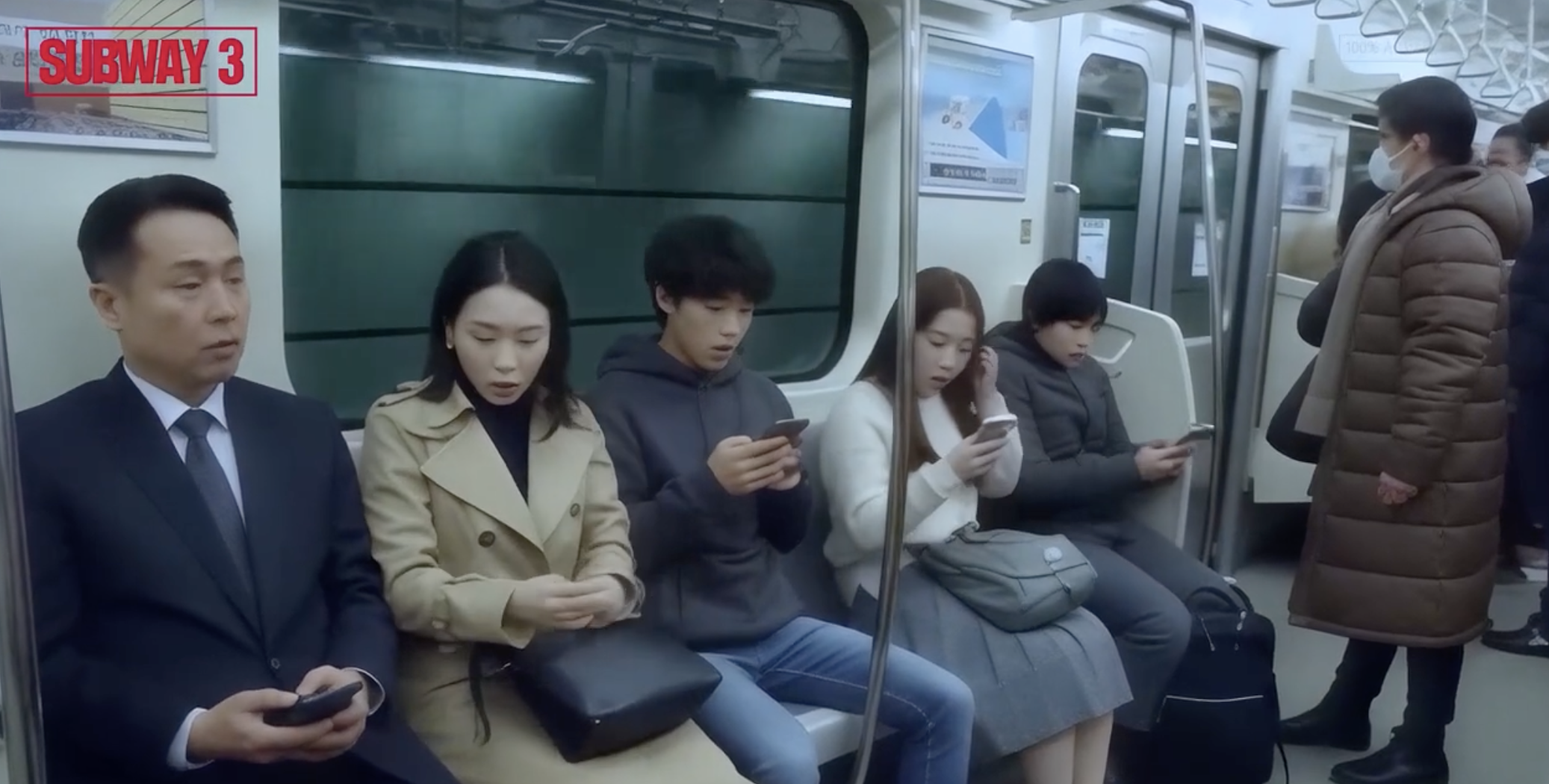
- Half Psychopath from Korea is a high-energy action thriller.
Submissions come from 34 countries. South Korea alone accounted for 23 of the films submitted, with others coming from Kazakhstan, India, Iran, and Argentina. But hosting in Seattle was an obvious choice for organizers.
“When I’m outside this bubble and say ‘Seattle AI Film Festival’ — it makes sense to people. Like Milwaukee and beer make sense,” Gauntt quips.
The festival also aims to strengthen the relationship between the city’s strong tech ecosystem and its creative economy.
Gauntt also emphasized that the event would steer away from slop. AI filmmaking backlash, he said, is “real with some valid points,” but it’s largely driven by fear, uncertainty and doubt.
“This has cast Generative AI as poster child/punching bag for the general pace of change in creative industries which is a proxy for the rest of the economy and society,” Gauntt tells GeekWire. “So our value to attendees is partial immunization to AI FUD (fear, uncertainty, doubt) combined with being on the ground floor of a rapidly evolving global scene.”
By seeing that the cutting edge of AI filmmaking can avoid the genre’s tropes — of plasticky AI aesthetics, short-form snippets, and “In a dystopian cyberpunk world run by killer robots…” narratives, Gauntt said attendees could be “immunized” against sweeping negative generalizations.
Attendees will instead be greeted with creative and careful use of AI, he said. He pointed to longer films, between 15 and 30 minutes, more natural dialogue, and improved visual consistency as evidence.
The scale of the festival has evolved from its guerrilla origins. Organizers anticipate up to 500 attendees across the event’s two days, a jump from last year’s 110.
Beyond screenings, the festival offers panels and workshops for creators to share generative AI techniques and connect with tech sponsors and production studios. Attendees can demo AI filmmaking tools to see under the hood how the films are generated.
Alongside the festival, the team is launching its Creative AI Accelerator, a program to train 30-50 Seattle creators to use AI in their workflows. The program, in partnership with other national and global AI film organizations, wants to establish a network of AI creators to collaborate on projects and reach global audiences, furthering growth in a field the team has already seen rapid improvement.
Tickets are available on Luma and start at $25 for single-day passes. Full weekend passes are available for attendees looking to catch the complete lineup of screenings, workshops and networking sessions.
Here’s a look at The Cinema That Never Was from Germany, which considers the films that never left writers’ imaginations.