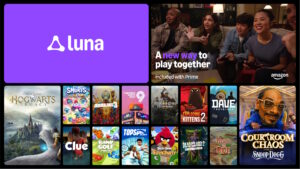
The September update for Amazon’s cloud-based gaming service Luna comes with multiple new features, the most prominent of which is one that will allow up to 7 other players to remotely participate in the same gaming session.
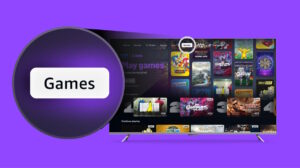
Since its aggressive relaunch earlier this summer, Amazon has pinned its hopes for Luna on multiplayer games and the casual market. Anyone with an active Amazon Prime subscription has access to Luna and can launch it directly from the Prime Video app, which allows them to stream an assortment of video games to their TV, browser, or tablet via Amazon’s cloud servers.
This includes around 60 casual-friendly multiplayer games, designed to be playable by just about anyone of any age as a group activity, and some of which are exclusive to Luna as a platform.
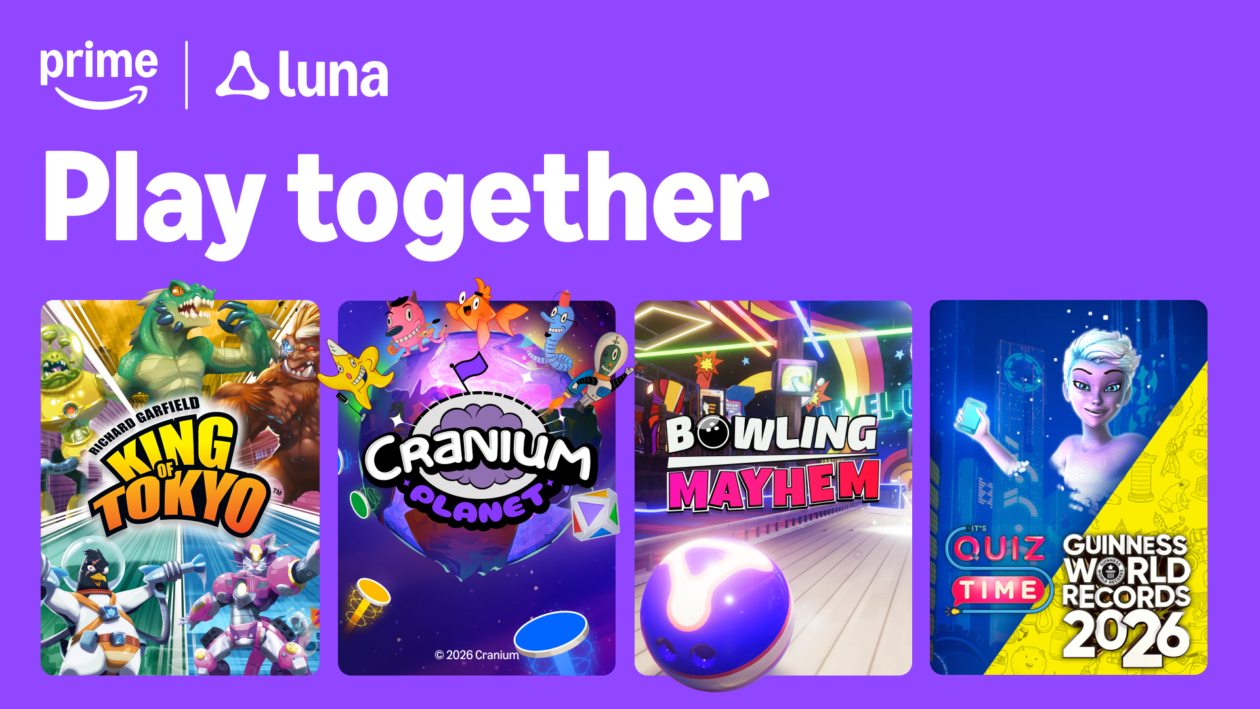
Its newest feature, Remote Play, changes how multiplayer titles work on the service. One player with a Prime subscription can now invite up to 7 other people to participate remotely in a multiplayer Luna game, as long as all 7 of those people have an account on Amazon and a compatible device. This reportedly works with every multiplayer game on Luna, including those that formerly required every player to physically be in the same room.
Two new games have been added to Luna’s library that specifically take advantage of Remote Play. This includes a Luna-exclusive mobile version of Magic: The Gathering creator Richard Garfield’s 2011 board game King of Tokyo, in which players take the role of giant monsters fighting one another in the ruins of Japan.
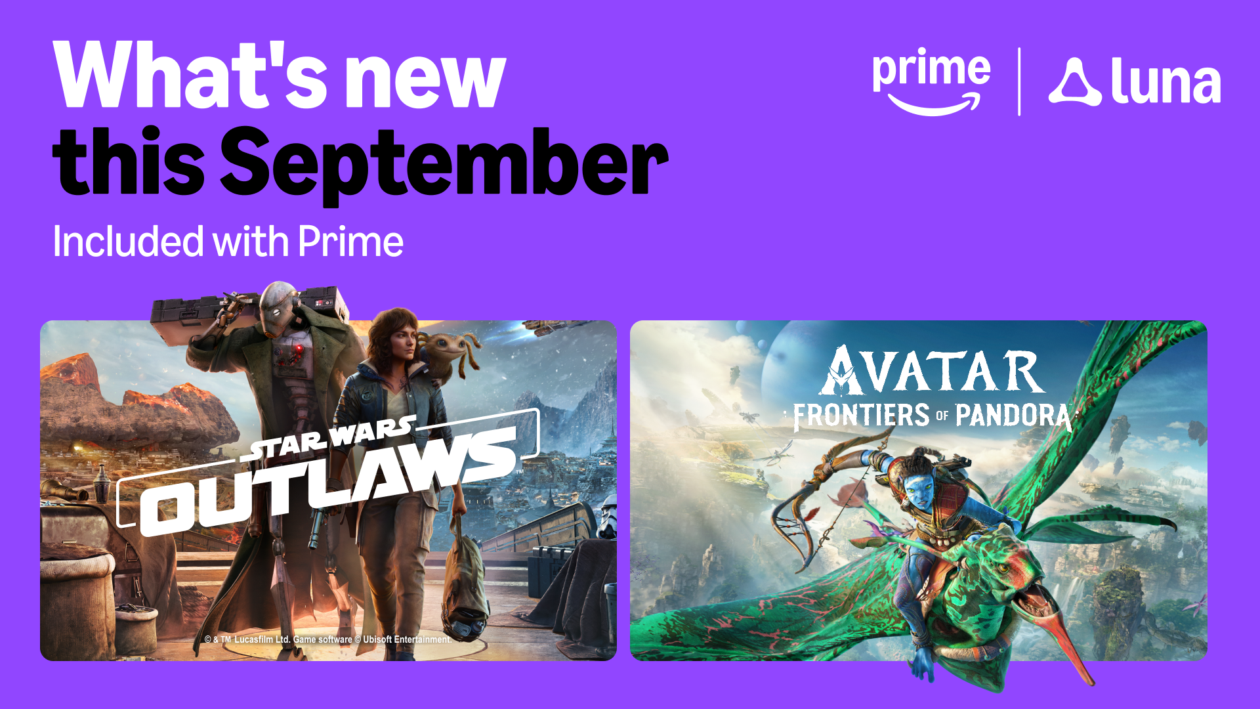
Other additions to Luna this month include access to two relatively recent games from the French publisher Ubisoft: 2024’s Star Wars: Outlaws and 2023’s Avatar: Frontiers of Pandora, the latter of which is set in the universe of James Cameron’s film franchise.
Amazon has not shared user data for Luna since its recent relaunch, so it’s difficult to tell from outside the company how much of an audience it’s been able to build. Luna represents a bet by Amazon that, in the midst of the ongoing component crunch and the related rise in hardware costs, it can build an audience by offering access to popular video games via whatever devices people might already have in their homes.
A few years ago, cloud gaming as a whole was one of the major topics in the games industry, with some analysts going so far as to predict that it was the future of hardware. Instead of purchasing an Xbox or PlayStation in your own home, you’d simply dial into a remote server and stream games to your TV.
That gold rush has largely faded in recent years, as the furor over genAI has stolen some of its thunder, but cloud gaming is still a going concern and a surprisingly competitive market. Luna might be the most accessible option for would-be cloud gamers, as it’s bundled into a subscription that 200 million households already have, but it’s quietly up against giants like Nvidia, Microsoft, and Sony.
Some of the biggest names in the games industry have placed a quiet bet that the “RAMageddon” will quietly push audiences further towards the cloud. As yet, there’s no solid evidence whether or not it’s paid off. Still, if you’re looking to get into video games but missed your window to get a relatively inexpensive computer or console, the cloud might offer you some worthwhile options.