
Over the past several years, Artificial Intelligence (AI) has changed numerous industries on a foundational level. The technology, which was once met with skepticism and even outright resistance, proved capable of streamlining big business workflows early on, performing some tasks faster and at lower cost than human workers. This initial promise resulted in many companies hopping on the bandwagon, seeking to both optimize their own workflows and ensure they were not left behind in this latest technological evolution.
However, one of the chief issues of this period was a byproduct of this AI-aided fervor. Because companies were so eager to embrace AI, many never stopped to consider the best way to implement it. AI is not a band-aid solution that can simply be slapped onto an existing structure and fix whatever might be wrong with it; it requires careful understanding, articulate implementation, and consistent assessment to be used effectively.
One of the best showcases of how to properly utilize AI tools in the market today comes in the form of AI-linked stocks. With a keen understanding of how the technology functions and continued evaluation of its performance, modern traders can use an AI stock tracker to monitor market movement, compare performance, identify volatility, and avoid relying on hype alone.
AI Stocks Are Not One Single Trade
First and foremost, it’s critical to understand that AI stocks are far more than one single sector. Rather, AI exposure in the trading market spans several categories, including semiconductor companies, cloud platforms, enterprise software, automation, energy infrastructure, data centers, and cybersecurity.
Because of this variety, significant knowledge and a substantial time commitment are often required. An AI tracker can assist greatly in this regard, helping users compare these areas in a more efficient way. Now, you don’t have to devote hours to parsing the various changes across these sectors or lump all AI-related companies together and risk massive losses; an AI tracker can help you make sense of it all.
Real-time Tracking Matters
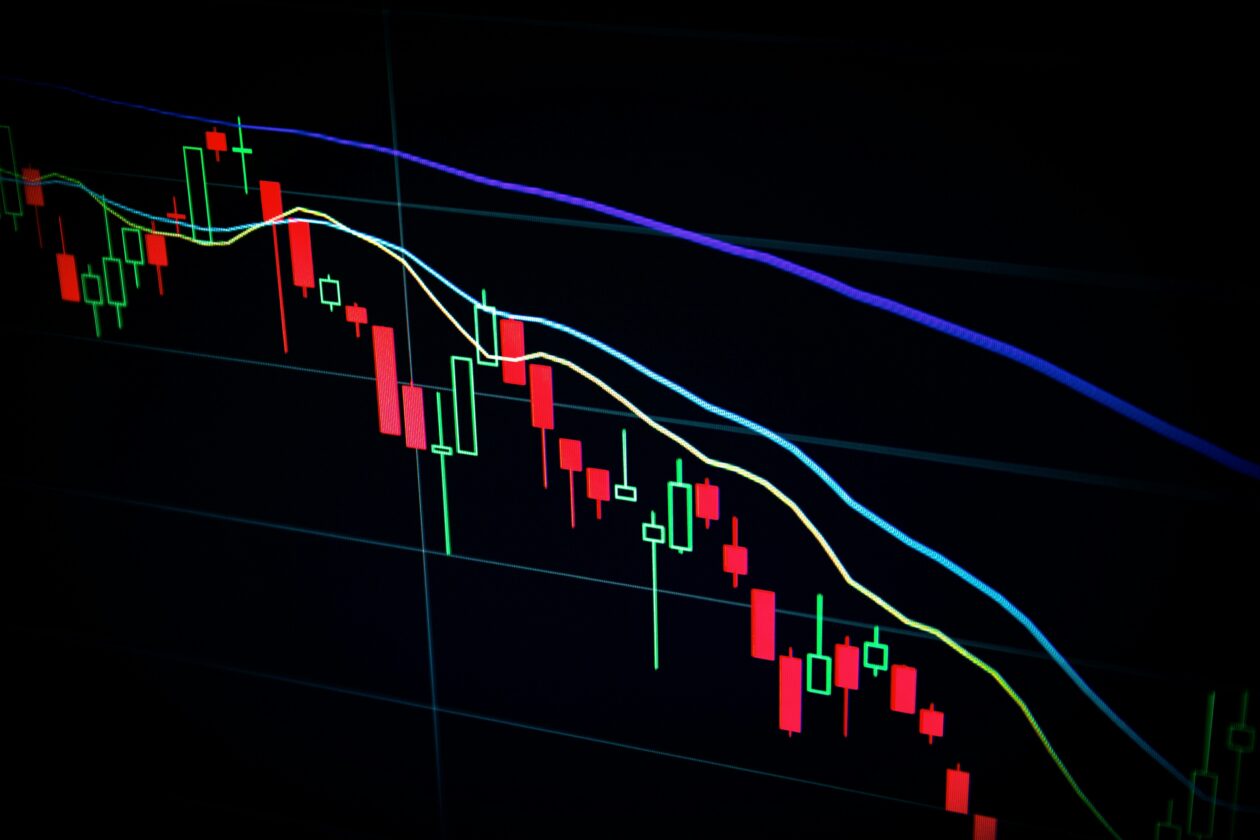
As with anything AI-related, AI-linked stocks can be exceedingly volatile. Recent reports suggest that AI-related optimism has supported earnings revisions and higher S&P 500 targets. Simultaneously, though, alternative reports indicate that AI-related stocks are actually contributing to a recent pullback in major indexes.
These conflicting reports demonstrate how essential it is that traders work off of timely and accurate data, not static assumptions.
AI Tools Can Improve Screening, But Do Not Replace Judgment
While AI tools can be incredibly helpful in filtering large datasets promptly, human judgment is still an essential component within the process. AI tools need constant evaluation to remain effective and avoid hallucinations.
Traders should evaluate valuation, earnings quality, customer concentration, liquidity, risk tolerance, and broader market conditions on their own, outside of the use of AI tools. That way, they can bring this knowledge to their work alongside the AI tracker and utilize it to help add perspective as they carve a path forward together.
Use Cases: AI in Stocks
There are many potential uses for AI tracking software in stocks, including:
- Comparing daily and year-to-date performance across AI-linked stocks.
- Watching whether chip stocks, cloud stocks, or software names are leading the trend.
- Spotting divergence when one AI category rises while another falls.
- Building a watchlist before earnings season.
- Reviewing whether a stock’s price movement is tied to company results, sector momentum, or broader market sentiment.
Final Thoughts
AI has altered numerous industries, bringing substantial innovation and progress to the forefront. In the world of stocks, AI tracking tools are helping to automate tasks that were previously labor-intensive and time-consuming, streamlining traders’ workflows in the process.
FAQ Section
What is an AI stock tracker used for?
It is used to monitor AI-linked stocks, compare performance, and help traders identify movement across companies connected to artificial intelligence.
Are all AI stocks affected by the same market trends?
No. Chipmakers, cloud providers, software companies, and infrastructure firms can react differently to earnings, demand forecasts, interest rates, and investor sentiment.
Can AI tools predict which stocks will rise?
AI tools may help organize data and identify patterns, but they cannot reliably predict future stock prices. Traders still need independent research and risk management.
Why do traders monitor AI stocks separately?
AI has become a major market theme, and tracking related stocks separately can help traders see whether momentum is broad-based or concentrated in a few companies.
What should traders check before acting on AI stock data?
They should review earnings, valuation, liquidity, volatility, company guidance, sector trends, and broader market conditions before making decisions.
Disclaimer: GeekWire newsroom and editorial staff were not involved in the creation of this content.
